
The Ashes Betting Guide: England vs Australia Test Series
 Available in US
The Ashes represents cricket's oldest and most storied rivalry. England and Australia have contested this series since 1882, creating 140 years of history that infuses every match with significance beyond the immediate result. For bettors, The Ashes offers unique opportunities: five-match Test series with deep markets, predictable scheduling, and the intensity that only historic rivalries generate.
What distinguishes Ashes betting from other Test cricket is the emotional and psychological dimension. Players feel pressure differently in Ashes matches than in regular Tests. Home crowds create atmospheres that affect visiting teams. Historical momentum can persist across series. Understanding these intangible factors alongside traditional statistical analysis separates profitable Ashes bettors from those who underweight the series' unique nature.
Home Advantage in The Ashes
The Ashes alternates between England and Australia, with the home nation holding the urn in case of drawn series. This home advantage is more pronounced in Ashes cricket than in most Test series, and understanding its mechanisms helps predict outcomes.
English conditions favor swing bowling and reward patient batting. The Dukes ball swings prodigiously in overcast conditions that England's summer frequently provides. Visiting Australian batsmen—raised on faster, bouncier pitches—often struggle against moving balls. Australian pace bowlers accustomed to bounce find less assistance from English surfaces. These condition-specific advantages compound across five Tests.
Australian conditions present opposite challenges. The Kookaburra ball offers less swing but retains hardness that generates pace and bounce. Large venues with fast outfields reward aggressive batting. English batsmen facing steep bounce from Australian quicks on unfamiliar surfaces struggle differently than at home. The pace and carry of Australian pitches also favors home spinners who've learned to extract turn despite less natural assistance.
Statistical evidence supports these patterns. Australia has lost just one home Ashes series since 2010-11, while England has been more competitive on home soil. Betting against the touring team in Ashes series—particularly in early Tests before acclimatization—captures historical patterns with genuine predictive value.
Series Betting Markets
The Ashes' five-match format creates series betting opportunities unavailable in shorter Test series. Outright series winner markets reflect assessments of which team will win more Tests, with drawn series returning the urn to current holders.
Series winner markets should weight home advantage heavily. Unless one team is dramatically superior, backing the home side to win Ashes series provides structural edge. The home advantage mechanisms—conditions, crowds, travel fatigue for visitors—are systematic rather than random. Of course, odds must still offer value; backing obvious home favorites at insufficient prices captures no value even if predictions prove correct.
Correct series score betting provides higher odds for those willing to predict exact outcomes. A 3-1 home victory might offer 4.00 odds versus 1.80 for simple series winner. These markets reward confident assessments of not just who wins but how dominantly. Historical Ashes series in Australia have frequently produced 3-1 or 4-0 margins; English series more often see 2-1 or 3-2 scores due to weather-affected draws.
Top series run-scorer and wicket-taker markets span all five Tests. Identifying which players will maintain form across extended series—rather than peaking early or fading late—helps predict these cumulative markets. Player durability, both physical and mental, matters more in five-Test series than in three-match contests.
Individual Match Betting
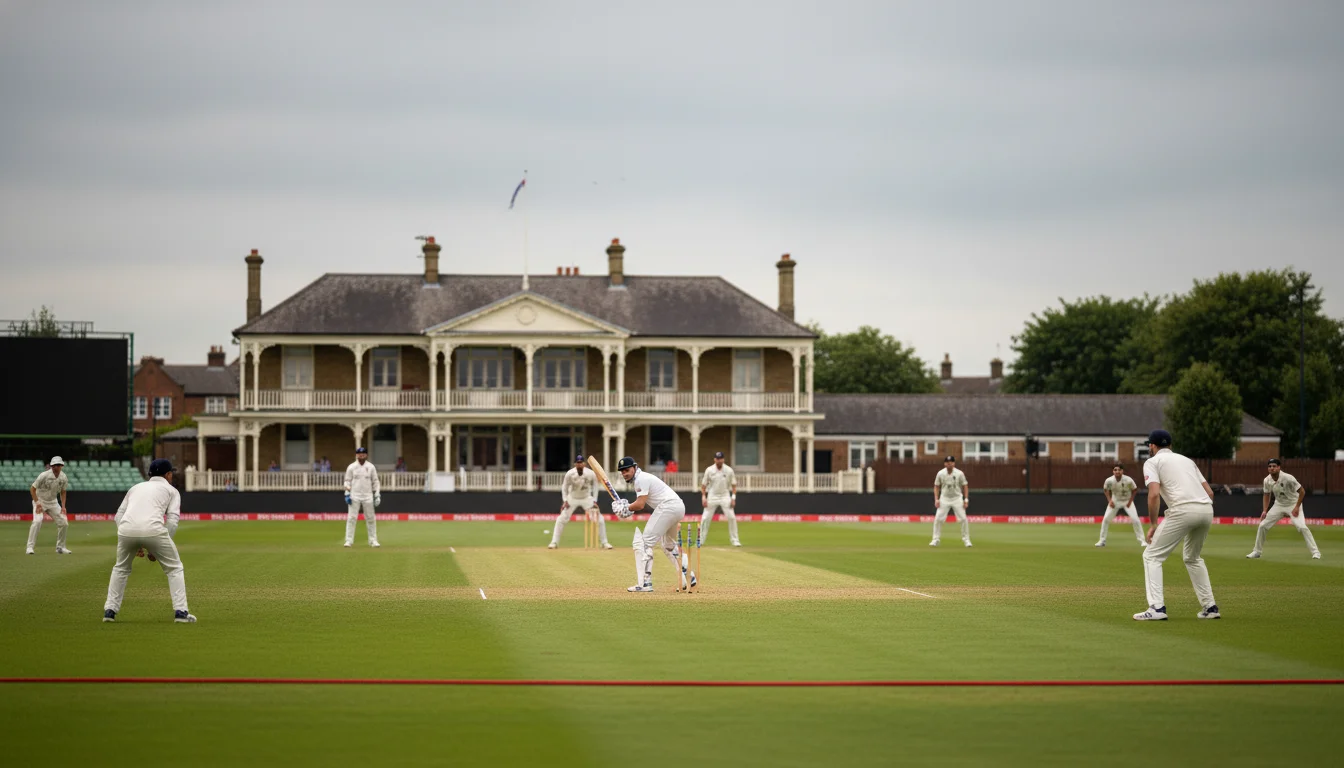
Each Ashes Test offers standard match betting markets—match winner, draws, session betting, player performances—but with intensity that regular Tests don't match. These markets are typically efficient due to high betting volume, but opportunities exist.
Weather significantly affects English Ashes Tests. English summers produce rain that can wash out sessions or entire days. When weather forecasts show significant rain probability, draw odds might undervalue the chance of weather-enforced stalemates. Conversely, forecasts showing clear conditions throughout might make result odds attractive when rain has shortened prices on draws.
Venue-specific patterns help predict Test outcomes. Lord's produces different cricket than Headingley; the Gabba in Brisbane plays differently than the SCG. Research venue histories before betting individual matches—some grounds consistently favor batting; others provide bowler-friendly conditions that produce results rather than draws.
Toss implications vary by venue and conditions. In Australian day-night Ashes Tests with pink balls, conditions favor bowling first before night sessions. Traditional Australian day Tests often see teams bat first to establish dominance. English Tests might see toss winners choosing based on overhead conditions and pitch appearance rather than default strategy.
For faster-paced action, switch to our ODI betting guide.
Player Markets Across The Ashes
Five-match series provide sample sizes that help form assessments of player performances. Standout performers in early Tests often continue producing; those struggling initially might never find form against high-quality opposition.
Opening batsmen face the sternest challenges in Ashes conditions. English conditions demand technique against swing; Australian conditions require handling steep bounce and pace. Backing openers who've previously succeeded in these specific conditions makes sense; backing those with no relevant experience carries more risk. Historical Ashes records for individual players provide predictive value that overall career averages might not.
Pace bowlers carrying heavy workloads across five Tests need careful monitoring. A bowler brilliant in the first two Tests might tire by the fourth. Teams with genuine pace depth—able to rotate without dramatic quality drops—have advantages that affect both team and individual betting. Track bowler workloads across the series when betting later matches.
All-rounders can dominate Ashes series by contributing consistently across disciplines. Ben Stokes and Andrew Flintoff have produced Ashes performances that shaped entire series. When all-rounders are in form, their ability to influence matches with both bat and ball creates value in player of the match and series markets.
Momentum and Series Dynamics
Five-match series develop narratives that shorter contests don't allow. Momentum swings matter; series context affects individual match approaches. Understanding these dynamics helps predict later Tests based on earlier results.
Series leaders often dominate subsequent matches. Teams ahead in Ashes series carry psychological advantage into remaining Tests. Trailing teams feel pressure to force results, sometimes leading to aggressive decisions that backfire. When one team leads 2-0 or 2-1, their odds for the next Test often don't fully reflect the momentum advantage they've established.
Dead rubber matches—when series outcomes are decided—produce different cricket. Teams that have secured series wins might rest key players or reduce intensity. Trailing teams might play with dangerous freedom that either produces upsets or collapses. Motivation assessment becomes crucial for fourth and fifth Tests when series are already decided.
The intensity of Ashes cricket creates more dramatic momentum swings within matches than regular Tests. A session of dominance can transform match state entirely. Live bettors should expect and prepare for these swings rather than assuming steady progression toward predictable outcomes.

Historical Context and Pressure
The Ashes' history creates pressure that affects player performance in ways that regular Tests don't match. Understanding who handles this pressure—and who succumbs—helps predict individual and team performance.
Debutants often struggle in Ashes environments. The occasion's magnitude overwhelms players without prior experience of the series' intensity. When teams select multiple debutants for Ashes matches, this inexperience represents vulnerability that experienced opponents can exploit. Backing experienced teams against those with significant Ashes debut cohorts often provides edge.
English crowds at home Ashes matches create atmospheres hostile to Australian players. The Barmy Army's presence and home supporter passion can affect visiting player concentration. This home crowd factor compounds the home conditions advantage, making Australian victories in England particularly difficult to achieve.
Players with strong Ashes records often outperform their overall career statistics in Ashes matches. Something about the rivalry brings out their best—or perhaps they're simply better equipped to handle the specific pressures involved. When assessing player markets, weight Ashes-specific records alongside overall career figures.
Managing Ashes Betting
The Ashes spans five to six weeks of intense cricket, requiring sustained engagement that tests betting discipline. Managing this extended campaign matters as much as individual match analysis.
Build positions as the series develops. Early Tests reveal form, conditions, and match-ups that weren't clear before the series began. Using early-series information to refine later match betting captures evolving knowledge. Bettors who commit heavily to pre-series positions without adjusting based on actual results leave value unclaimed.
Track your performance by venue type. You might discover that your analysis succeeds in English conditions but struggles with Australian Tests, or vice versa. This self-knowledge shapes how aggressively you bet home versus away series and where to focus analytical resources.
The Ashes generates enormous media coverage and public betting interest. This attention can create inefficiencies when public sentiment diverges from reality—but can also make markets more efficient as volume and analytical attention increase. Assess whether your positions are genuinely insightful or simply confirming widely-held views.
Specific Tactical Considerations
Certain Ashes betting patterns recur with enough regularity to inform strategy. These tactical observations come from analyzing historical series outcomes.
The Gabba Test traditionally favors Australia. Brisbane's first Test has historically seen home dominance, with Australia rarely losing there. Starting Ashes series at the Gabba gives Australia momentum-building opportunity. When betting the first Test of Australian Ashes, this venue-specific advantage deserves heavy weighting.
Headingley has produced memorable Ashes moments, including dramatic England victories. The venue's characteristics—helpful for swing bowling, potentially variable bounce—create conditions where matches can turn dramatically. Headingley Tests often offer value on result markets when draw odds are shorter than conditions justify.
Pink ball Ashes Tests, used in Australian day-night matches, introduce different dynamics than traditional red ball cricket. The pink ball swings more under lights and deteriorates differently. Teams winning the toss in day-night Ashes Tests almost always bowl first to exploit evening conditions. Understanding pink ball dynamics—and how they differ from traditional Ashes cricket—helps predict these specific matches.
The final Test of any Ashes series carries unique weight. If series outcomes remain undecided, pressure peaks for the decider. If series are already decided, motivation questions arise. Either scenario produces different cricket than mid-series matches. Factor series state into final Test analysis rather than treating it as equivalent to earlier matches.
Get Ashes tips on our homepage.
