
ODI Cricket Betting: Strategies for 50-Over Matches
 Available in US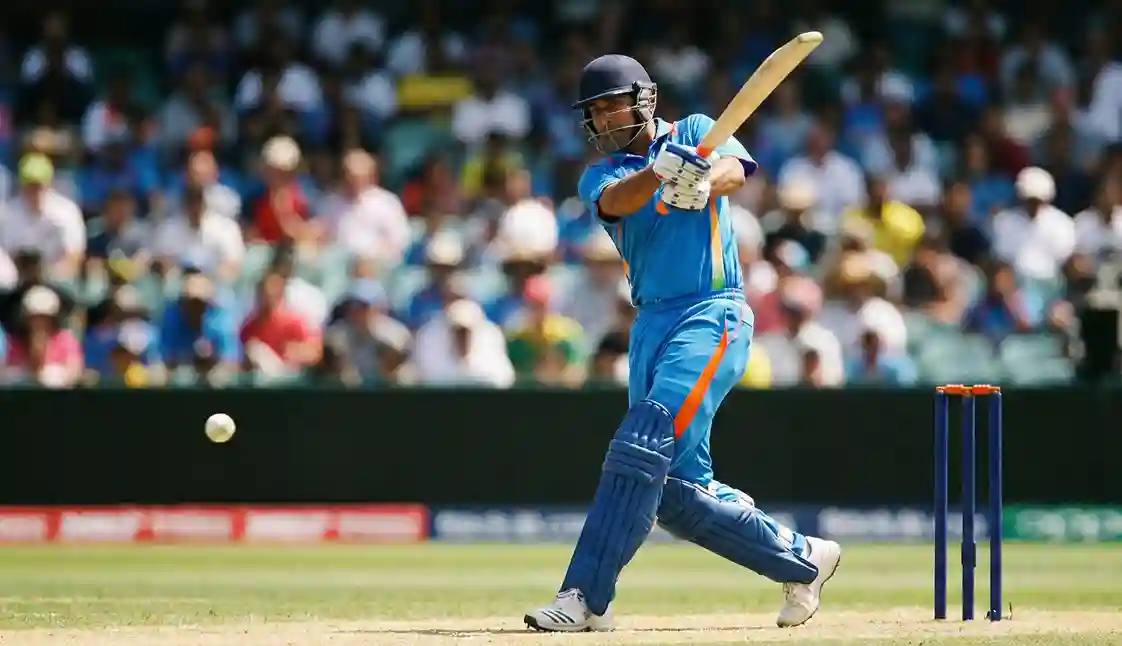
One Day International cricket occupies the middle ground between Test cricket's strategic depth and T20's explosive unpredictability. Fifty overs per side creates enough time for narratives to develop while maintaining the urgency of single-day resolution. For bettors, ODIs offer a distinctive challenge: matches are long enough for form to assert itself but short enough for individual brilliance or failure to prove decisive.
The format has evolved dramatically over recent decades. Where 250 was once a competitive total, modern ODIs regularly see teams posting 350 or more. This scoring inflation affects how you should approach betting markets—historical averages from even five years ago may mislead when applied to current matches. Understanding the modern ODI game, where aggressive batting dominates and totals continue climbing, is essential for profitable betting.
First Innings Dynamics
The team batting first in an ODI faces a fundamental strategic question: how many runs constitute a winning total? The answer depends on conditions, opposition strength, and tournament context. Getting this assessment right is crucial for totals betting and influences match winner markets significantly.
Modern ODI batting has shifted toward aggression in all phases. The traditional approach of building through the middle overs before acceleration has given way to attacking intent from the start. Teams now target 300-plus as baseline competitive totals on good batting surfaces, with 350 required when conditions strongly favor batting. This aggression produces more volatility—big totals but also collapses when aggressive approaches backfire.
First innings totals betting requires assessing pitch conditions before play begins. Surfaces with grass assist bowlers early, potentially restricting totals despite eventual batting-friendly character. Dry, hard pitches typically play consistently throughout. Small grounds with quick outfields boost scoring; larger grounds with slower outfields suppress it. Weather conditions—particularly wind direction and cloud cover—influence swing bowling effectiveness and therefore first innings prospects.
The first powerplay (overs 1-10) sets the tone. Teams losing early wickets often struggle to recover the momentum needed for big totals. Strong powerplay batting establishes platforms for middle-order acceleration. If you're betting on first innings totals, watching the powerplay unfold before committing can reveal whether aggressive or conservative total estimates are appropriate. Live betting markets adjust throughout the innings, but the sharpest moves often occur based on powerplay performance.
Chasing Psychology and Execution
Second innings betting in ODIs differs fundamentally from first innings markets because the target is known. Chasing teams know exactly what they need, enabling precise calculation of required run rates and strategic decision-making. This certainty changes both team behavior and betting market dynamics.
Successful chasing requires matching required rates without falling behind. Teams that stay close to required rates maintain options throughout their innings. Teams falling significantly behind face compounding pressure—they need boundaries to catch up, which increases risk-taking and dismissal probability. Monitoring run rate versus required rate during chases helps identify when betting markets might not fully reflect the pressure building on chasing teams.
Historical chase data at specific grounds informs pre-match betting. Some venues favor chasing through dew assistance (evening moisture making bowling and fielding harder) or through known batting-second advantages. Others favor defending through pitch deterioration or historically low successful chase rates. Research venue-specific patterns before defaulting to generic assumptions about first versus second batting.
Big chases produce the most volatile betting markets. When teams chase totals above 300, the margin for error shrinks dramatically. Every dot ball increases pressure; every boundary relieves it. Live betting during big chases offers opportunities because markets overreact to short-term momentum shifts. A flurry of boundaries might shorten chasing odds beyond what the overall match state justifies, just as a couple of wickets might lengthen them excessively.
The biggest event in this format is the World Cup betting tournament.
Middle Overs Analysis
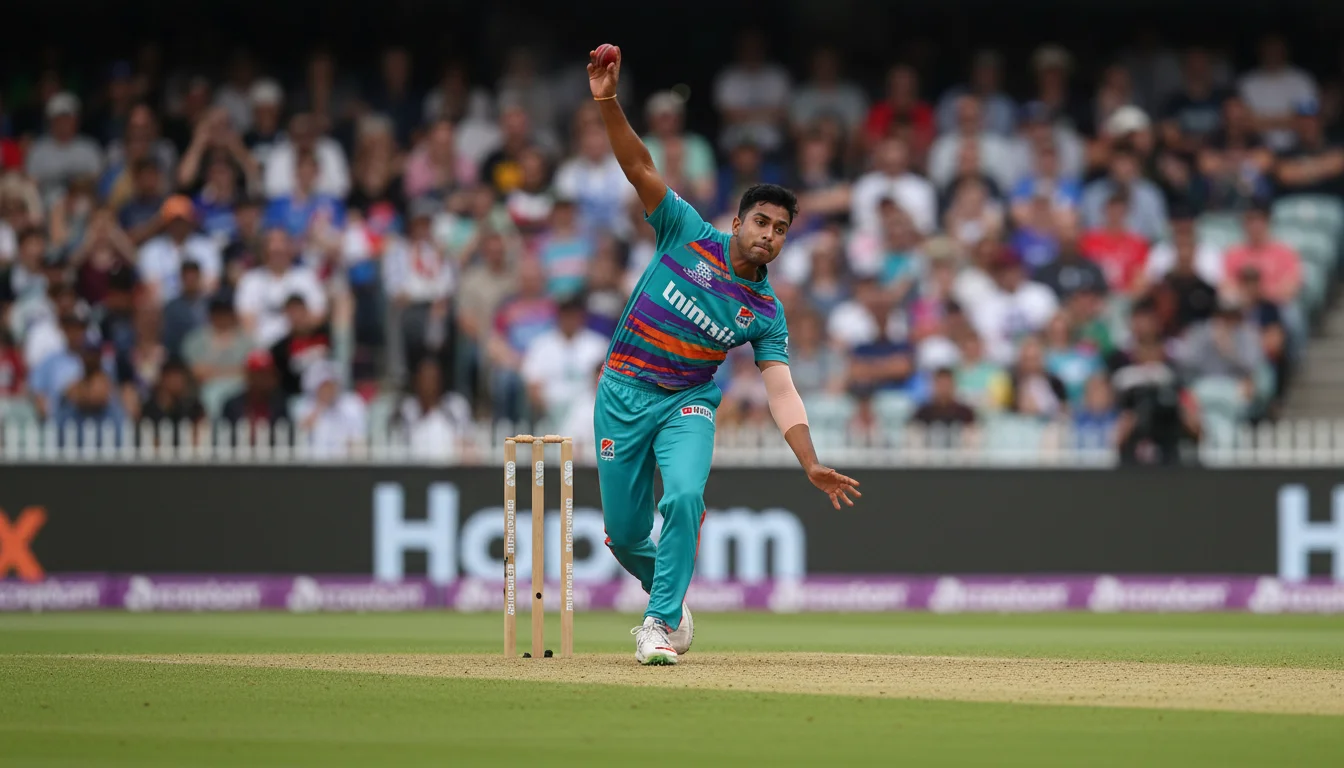
The middle overs (11-40) determine ODI outcomes more than powerplays or death overs. This 30-over period is where matches are built or lost, where batting foundations are established or crumble, where bowling attacks assert control or get dominated. Yet many bettors focus disproportionately on the exciting phases—powerplays and finishes—while underweighting middle overs significance.
Batting through the middle overs requires different skills than powerplay or death hitting. Running between wickets, rotating strike, finding boundaries against defensive fields, and maintaining concentration across extended periods separate top ODI batsmen from limited ones. Identifying players who excel in middle overs—high averages with reasonable strike rates during overs 11-40—helps in player performance markets.
Bowling during middle overs creates different value propositions. Spinners often bowl the majority of their overs during this phase, making their performance crucial to team totals and individual betting markets. Conditions that assist spin—dry pitches, rough footmarks, any turn—increase spinner effectiveness and decrease run rates. Conversely, flat pitches with no assistance see spinners concede heavily against quality batting.
Middle overs wickets often prove most valuable because they break partnerships and expose lower-order batsmen to more deliveries than they'd face if wickets fell later. Top bowler betting in ODIs should consider who bowls the middle overs and their record in this phase rather than just overall statistics. A bowler with modest overall figures but excellent middle-over records might offer betting value if their role is underappreciated.
Death Overs Betting
The final ten overs produce ODI cricket's most dramatic moments—and its most volatile betting markets. Batting teams push for maximum runs; bowling teams try to contain while taking wickets. The conflict between aggression and control creates outcomes ranging from 120-run death overs to collapses of 60 for 5. Predicting which outcome materializes is exceptionally difficult.
Death overs specialists exist on both sides of the ball. Some batsmen transform in the final overs, producing strike rates far above their career averages. Some bowlers excel under death pressure, executing yorkers and slower balls that contain even the best hitters. Identifying these specialists through statistical analysis rather than reputation helps find value in player markets during death overs.
Team composition affects death overs outcomes significantly. Teams with genuine batting depth—where number seven and eight can hit boundaries—outscore teams relying entirely on top-order fireworks. Teams with multiple death bowling options can rotate effectively and avoid over-bowling tired pacers. Assessing lineup depth beyond star players informs expectations for death overs production.
Live betting during death overs requires accepting higher variance than other phases. Small samples produce random-looking outcomes—two full tosses hit for sixes can add 25 runs in moments; two yorkers taking wickets can remove 40 potential runs from a total. If you bet death overs markets, do so accepting that short-term results will vary wildly from expectation. The edge comes from having better expectations than the market over many bets, not from accurately predicting individual death overs.
Tournament and Series Context
ODIs increasingly occur within tournament structures rather than bilateral series. World Cups, Champions Trophies, and tri-series create knockout pressure that affects team performance and betting markets. Understanding how tournament context influences matches helps identify value others miss.
Pool stage versus knockout matches produce different team approaches. Teams comfortably qualifying for knockouts might rest players, experiment with combinations, or manage workloads rather than maximize every match. Teams needing victories for qualification take greater risks and play with desperation that can produce surprises. Identifying which teams face which pressures helps predict match intensity and outcomes.
Net run rate calculations in tournament pools influence late match tactics. Teams might continue batting aggressively even when victory is assured to boost run rate. Teams facing likely defeat might prioritize limiting run rate damage over maximum victory attempts. These tactical considerations affect totals and margins markets in ways that pure match winner markets don't capture.
Bilateral series maintain some importance, but the emergence of test championship points systems and player resting for major tournaments has reduced intensity in many bilateral ODI series. Markets might not fully discount this reduced intensity. When star players rest or teams experiment, backing underdogs or over/under totals reflecting atypical lineups can offer value.
Weather and Duckworth-Lewis-Stern
Weather affects ODIs differently than Tests. Rain doesn't produce draws—it produces adjusted targets through the Duckworth-Lewis-Stern (DLS) method. Understanding how DLS works and when it favors particular teams creates betting opportunities unavailable in other formats.
DLS calculations protect the team batting second if rain interrupts their chase. The method sets revised targets based on resources lost (overs and wickets). However, DLS can produce targets that seem either generous or harsh depending on when rain arrives and match state at interruption. Teams significantly ahead of par when rain hits receive favorable revised targets; teams behind par face challenging adjustments.
Pre-match weather research becomes betting research. If rain is forecast during typical second innings timing, consider how DLS might affect different match states. Teams batting first with strong bowling attacks might benefit from DLS scenarios where they defend reduced totals. Teams with explosive batting might prefer uninterrupted chases where they can apply pressure.
The most actionable DLS betting insight involves live betting when rain is imminent. If the chasing team is well ahead of DLS par with rain approaching, their victory odds might not fully reflect the favorable position DLS would leave them in. Conversely, teams behind par when rain threatens face worse situations than match winner odds might suggest. Reading DLS implications into live betting decisions can reveal value when weather intervenes.
Building Your ODI Betting Approach
Profitable ODI betting typically involves specialization rather than betting everything available. Some bettors focus exclusively on totals, developing expertise in pitch reading and scoring expectations. Others concentrate on player markets, tracking individual form and matchup advantages. Still others specialize in live betting, exploiting market overreactions to in-game developments.
The format rewards preparation before matches. Unlike T20 where individual brilliance can overcome analytical expectations, ODIs unfold over enough time for form and conditions to assert themselves. Research conducted before matches—understanding venue history, team compositions, recent form patterns—converts to betting edge more reliably than in shorter formats.
Track your ODI betting results by market type to identify where your analysis produces edge. If your totals betting profits while match winner betting loses, focus resources on totals. If live betting during chases produces your best results, structure your betting around that strength. The fifty-over format is large enough to support multiple profitable approaches; the key is identifying which approach suits your analytical strengths.
Discover ODI strategies at CricketBetTips.com.
