
Best Cricket Betting Sites: How to Choose the Right Sportsbook
 Available in US
Picking a cricket betting site feels overwhelming when you're starting out. Hundreds of bookmakers are screaming for your attention with flashy bonuses, aggressive marketing, and promises they can't possibly keep. Most guides just list bookmakers with affiliate links and call it a day. That's worthless.
The truth is choosing where to bet matters almost as much as what you bet on. A bookmaker consistently offering odds 5% worse than competitors costs you hundreds of pounds annually. A site with poor mobile functionality makes you miss time-sensitive bets. A bookmaker that suddenly refuses to pay your winnings or closes your account without explanation destroys months of profit in one move.
I've used dozens of bookmakers over years of betting on cricket. Some are genuinely excellent—fair odds, reliable service, no nonsense when you win. Others are traps designed to extract money from recreational bettors through misleading bonuses, terrible odds, and predatory terms. The difference between these categories isn't always obvious from the homepage.
This guide breaks down what actually matters when choosing cricket betting sites. Not superficial marketing claims, but practical factors that affect your profitability and experience. You'll learn how to evaluate bookmakers systematically, which features matter versus which are irrelevant distractions, and how to maintain accounts strategically to maximize long-term access and value.
Licensing and Regulation: The Non-Negotiable Foundation
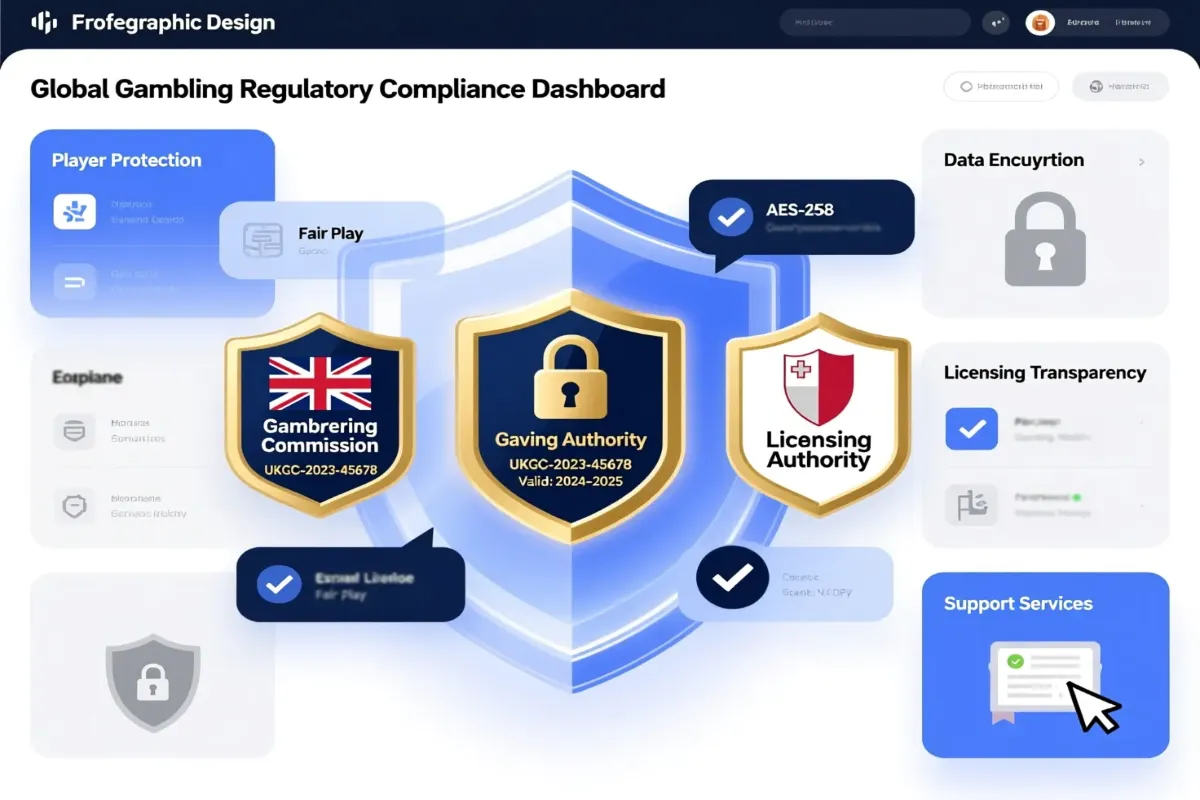
Before evaluating anything else about a bookmaker, verify they hold legitimate gambling licenses from reputable jurisdictions. This isn't paranoia—it's protecting yourself from operators that might refuse to pay winnings or disappear with your deposits.
Licensed bookmakers operate under governmental oversight with consumer protections, regulated odds, dispute resolution processes, and financial audits. They undergo background checks, maintain segregated customer funds separate from operating capital, and answer to regulatory authorities when complaints arise. Unlicensed bookmakers offer none of these protections.
The UK Gambling Commission is the gold standard for regulation. Bookmakers holding UKGC licenses operate under strict standards covering advertising, customer protection, fair trading, and social responsibility. If you're in the UK, using UKGC-licensed bookmakers is mandatory by law. If you're elsewhere, UKGC licensees still represent the safest option because the regulatory framework is comprehensive.
The Malta Gaming Authority and Gibraltar Licensing Authority also maintain high standards. Many major European bookmakers hold licenses from these jurisdictions. The regulatory frameworks aren't quite as robust as the UKGC but still provide meaningful consumer protection. Bookmakers with MGA or Gibraltar licenses are generally trustworthy.
Curacao licensing is the concerning gray area. Curacao offers gambling licenses with minimal oversight and enforcement. Some Curacao-licensed bookmakers are legitimate businesses that simply operate from a tax-favorable jurisdiction. Others are sketchy operations that would never pass stricter regulatory requirements. If a bookmaker only holds a Curacao license, research them extensively before depositing significant money.
Completely unlicensed bookmakers should be avoided regardless of how tempting their odds or bonuses appear. You have zero recourse if they refuse payouts. Your deposits aren't protected. Customer service is meaningless because they answer to nobody. The few percentage points better odds they might offer aren't worth the risk of losing your entire balance when they decide not to pay you.
Verification is straightforward—licensed bookmakers display license numbers prominently on their websites, usually in the footer. You can verify these license numbers directly with regulatory authorities. If you can't easily find licensing information or the bookmaker is evasive about regulation, that's a massive red flag. Walk away immediately.
Odds Quality: The Profit Difference
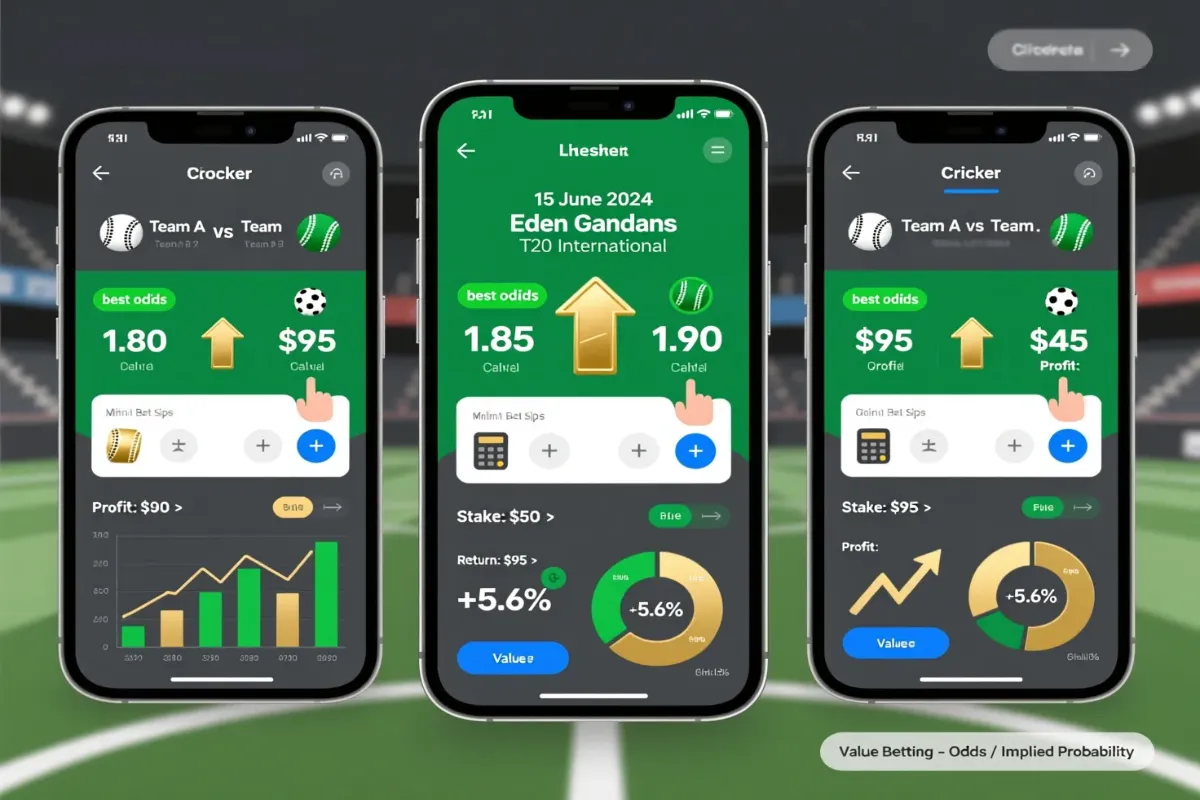
Odds quality directly determines profitability. A bookmaker consistently offering 1.85 on coin-flip outcomes versus competitors offering 1.95 costs you 5.3% in long-run returns. Over hundreds of bets and years of activity, that compounds to thousands in lost profit.
The bookmaker margin reveals odds quality mathematically. Add up the implied probabilities for all outcomes in a market—if they total 105%, the bookmaker has a 5% margin. If they total 110%, the margin is 10%. Lower margins mean better odds for you. Match winner markets in major cricket internationals typically have 3-6% margins at quality bookmakers. Exotic props and niche markets might have 10-15% margins.
Comparing odds across multiple bookmakers before every bet is mandatory for serious bettors. India to beat England might be 1.80 at Bookmaker A, 1.85 at Bookmaker B, and 1.90 at Bookmaker C. That spread represents genuine money—betting £100 at 1.90 versus 1.80 means £10 more profit when you win. Do this across 100 winning bets and you've made an extra £1,000 simply by taking the best available odds.
Pinnacle and Asian bookmakers like SBObet traditionally offer the sharpest odds because they accept large stakes from professional bettors, which helps calibrate their lines. These bookmakers operate on lower margins—sometimes 2-3% on major markets—because they make money on volume rather than margin per bet. The tradeoff is fewer promotions and bonuses. If you're betting seriously rather than recreationally, sharp odds matter more than deposit bonuses.
Traditional European bookmakers like Bet365, William Hill, and Ladbrokes have wider margins—typically 5-7% on cricket match winners. They compensate with extensive markets, better interfaces, and more promotions. For casual bettors who value convenience over maximizing every bet's value, this tradeoff might be acceptable. For profit-focused bettors, those extra percentage points in margin are unacceptable.
Odds movement patterns reveal bookmaker quality too. Quality bookmakers adjust odds quickly based on market information and betting volume. If a star player is ruled out, odds should change within minutes. If odds remain stale hours after significant news, the bookmaker isn't managing risk properly. Stale odds sometimes create value opportunities, but they also indicate operational issues that might surface in other ways.
Exchange betting through Betfair offers an alternative model where you're betting against other users rather than the bookmaker. The commission structure creates different economics—typically 2-5% commission on net winnings rather than margin built into odds. Exchanges often offer better value than traditional bookmakers on popular markets, though liquidity can be low on niche bets or smaller matches.
Market Coverage and Variety
Bookmakers vary dramatically in how many markets they offer per cricket match. Some provide 200+ markets for IPL matches including obscure props. Others offer maybe 20 basic markets. Your betting style determines what coverage you need.
If you only bet match winners and totals, basic market coverage suffices. Most bookmakers offer these core markets on any reasonably significant cricket match. But if you bet player props extensively—top batsman, centuries, wicket milestones, man of the match—comprehensive market coverage becomes essential. Betting styles that rely on niche markets require bookmakers that offer those markets.
Live betting markets vary enormously across bookmakers. Top-tier sites offer hundreds of in-play markets with odds updating continuously and cash-out available on most bets. Lower-tier operators might have clunky interfaces, slow odds updates, minimal market variety during play, and restricted cash-out. If live betting is central to your strategy, test platforms extensively during actual matches before committing significant deposits.
Session betting in Test cricket is a market some bookmakers neglect completely. If you focus on Test cricket and want to bet on individual sessions, verify your bookmaker offers these markets before depositing. Similarly, some bookmakers provide extensive tournament outrights and futures markets while others barely cover them. Match your bookmaker selection to the specific markets you actually bet.
Market depth matters for larger stakes. If you're betting £20 per wager, market depth is irrelevant—any bookmaker accepts that. But if you're betting £500 per wager after building a substantial bankroll, many bookmakers have maximum limits that prevent placing your full desired stake. Sharp bookmakers generally accept higher stakes on major markets, though they might restrict you eventually if you're winning consistently.
Mobile Betting Experience

Mobile betting dominates the industry now—most bets happen on phones rather than desktop computers. A bookmaker's mobile experience directly affects your ability to bet efficiently and capitalize on time-sensitive opportunities.
Dedicated mobile apps typically outperform mobile browser versions significantly. Apps load faster, have better interfaces, offer push notifications for odds changes or bet results, and integrate device features like biometric login. If you're betting regularly, using bookmakers with quality native apps for iOS and Android makes the experience dramatically better.
Testing mobile functionality before depositing is critical. Download the app and navigate through it. How many taps does it take to place a bet? Can you find the markets you want easily? Does it crash or freeze? How responsive are odds updates? A clunky mobile interface costs you opportunities when you can't place time-sensitive bets quickly because the app is loading or you can't find the right market.
Live streaming availability through mobile apps provides massive convenience for cricket bettors. Watching matches while betting improves decision quality—you see momentum shifts and conditions that statistics don't capture. Many bookmakers offer free live streaming to account holders with recent betting activity. Verify streaming availability for your region since broadcast rights restrict where bookmakers can offer streams.
Mobile-specific features like one-tap betting or bet builders can enhance experience if implemented well, or create frustrating limitations if implemented poorly. Some bookmakers restrict certain markets to desktop only, which is absurd in 2025 but still happens. Others make mobile the primary platform and desktop feels like an afterthought. If you bet exclusively on mobile, prioritize bookmakers that clearly invest in their mobile platforms.
Payment Methods and Processing Speed

Depositing and withdrawing money should be simple and fast. Bookmakers that make funding accounts easy but withdrawing difficult are showing you exactly how they view customers—as sources of deposits, not as legitimate clients they want to serve long-term.
Deposit options vary by region and bookmaker. Debit cards are universal but some payment processors block gambling transactions. E-wallets like PayPal, Skrill, and Neteller work well for betting because they process quickly and many bookmakers don't count them toward bonus eligibility, meaning you can keep using them without complication. Bank transfers work but are slower. Cryptocurrency is increasingly available at bookmakers comfortable operating in regulatory gray areas.
Withdrawal speed reveals bookmaker quality clearly. Processing withdrawals in 24-48 hours is reasonable. Taking 5-7 days is acceptable but not great. Taking weeks is unacceptable and suggests either incompetence or deliberate stalling hoping you'll reverse the withdrawal and gamble it away. Before depositing significant amounts, make a small deposit, place some bets, then request a small withdrawal. How the bookmaker handles that test withdrawal tells you everything about how they'll handle larger withdrawals later.
Verification requirements are standard but implementation varies. All licensed bookmakers must verify identity to prevent money laundering and underage gambling. Some handle this efficiently—upload documents once, get verified within a day, done. Others repeatedly request documents you've already provided, "lose" submissions, or suddenly require additional verification when you try withdrawing large amounts. Reviews from existing customers reveal which bookmakers have smooth verification versus which use it to delay payouts.
Withdrawal limits matter if you're betting seriously. Some bookmakers limit withdrawals to £5,000 per week or month. If you've built a substantial bankroll and want to withdraw £20,000 in winnings, that limit forces you to wait months. Quality bookmakers serving serious bettors have reasonable limits or none beyond verification requirements. Recreational-focused bookmakers often have restrictive limits because they're not designed for winners.
Customer Support Quality
Customer support reveals how bookmakers treat customers when things go wrong. Before problems arise, support seems irrelevant. After problems arise, support quality determines whether issues get resolved quickly or become prolonged frustrations.
Test support before depositing by asking questions via live chat or email. Are agents knowledgeable or reading scripts? Do they resolve issues or escalate everything? Are they available 24/7 or restricted hours? Response speed matters—waiting three days for email responses is unacceptable in 2025 when live chat can answer most questions instantly.
Common support issues include bet settlement disputes, bonus terms confusion, account verification delays, and technical problems. How bookmakers handle these reveals their priorities. Quality bookmakers assume good faith, investigate fairly, and resolve disputes quickly. Poor bookmakers assume customers are wrong, make resolution unnecessarily difficult, and drag out disputes hoping you'll give up.
Language support matters if English isn't your first language. Many bookmakers offer multilingual support, but quality varies. If you'll need support in your native language, verify it's actually available rather than just listed on the website. Test it the same way—contact support in your language and see if you get competent responses.
Self-service resources like comprehensive FAQs, video tutorials, and account management tools reduce reliance on support. If you can resolve common issues yourself through good documentation, that's often faster than contacting support. Bookmakers that invest in self-service resources generally provide better overall experiences.
Bonus Terms and Promotional Value
New customer bonuses and ongoing promotions seem like free money until you read the terms. Most bonuses have conditions that make them less valuable than advertised, and some are designed to be nearly impossible to clear profitably.
Welcome bonuses typically match your first deposit up to a certain amount—deposit £100, get £100 bonus funds. But bonus funds require "wagering through" multiple times before becoming withdrawable cash. A 5x wagering requirement on a £100 bonus means placing £500 in total stakes before withdrawal. Some bookmakers have 10x or 20x requirements, making bonuses nearly worthless.
Minimum odds requirements limit which bets count toward clearing bonuses. A bookmaker might require 1.80+ odds for bets to count toward wagering. This prevents clearing bonuses with heavy-favorite bets that are low-risk. Some require 2.00+ minimum odds, forcing riskier bets. Higher minimum odds make bonuses harder to clear profitably. Check this before accepting bonuses to ensure it aligns with your typical bet types.
Time limits force fast turnover that often leads to poor decisions. A 30-day deadline to clear 5x wagering is manageable. A 7-day deadline creates pressure to bet more than you normally would, often resulting in losses. Some bookmakers impose 3-day deadlines, making bonuses practically impossible to clear unless you're betting massive volumes. Reject bonuses with unrealistic time limits—they're designed to forfeit, not clear.
Stake contribution varies by bet type. Straight bets might contribute 100% toward wagering requirements while accumulators contribute 50%. If you bet £100 on an accumulator with 50% contribution, only £50 counts toward clearing the bonus. This extends clearing requirements significantly. Some bookmakers exclude certain bet types entirely from bonus clearing. Read contribution tables carefully.
Enhanced odds promotions offer temporarily boosted odds on specific outcomes. India at 2.50 instead of normal 1.80 sounds great, but check maximum stake limits. Enhanced odds might limit you to £10 stakes, providing only £7 extra profit on a winner. That's something but not the massive value it appears. Enhanced odds work best when you were betting that outcome anyway at normal odds.
Free bets differ from bonus funds. A £20 free bet returns only the winnings, not the stake. If you bet it at 2.00 odds and win, you receive £20 profit (not £40 total). This makes free bets worth about 70-80% of face value rather than 100%. Additionally, free bets often expire within 7 days and have minimum odds requirements. They're useful but not as valuable as they initially seem.
Loyalty programs and VIP schemes provide ongoing value for regular bettors. Some bookmakers offer cashback on losses, free bets for reaching betting volume thresholds, or improved odds for VIP members. These add genuine value if you're betting regularly anyway. But don't increase your betting volume just to reach VIP tiers unless the benefits genuinely justify the additional risk.
Account Longevity and Winning Player Treatment
Here's the uncomfortable truth: bookmakers don't want winning players. They're businesses designed to profit, and consistent winners reduce profit. Many bookmakers restrict or ban accounts that win too consistently. This is legal—they're private businesses choosing customers.
Gubbing is industry slang for restricting accounts. Gubbed accounts face limited maximum stakes, exclusion from promotions, or closure entirely. It happens more often than casual bettors realize. If you're betting profitably and using analysis rather than luck, expect restrictions eventually at recreational-focused bookmakers.
Some bookmakers are more tolerant of winning players than others. Sharp bookmakers like Pinnacle welcome sharp bettors because they use that action to improve their odds models. Recreational bookmakers like some high-street brands aggressively restrict anyone winning consistently because their business model depends on losing customers.
Maintaining accounts at multiple bookmakers protects against restrictions. If one bookmaker limits your stakes, you have alternatives. Don't put all your action at one site even if their odds are best—spread betting across four or five bookmakers to maintain long-term access. This also helps with line shopping since you're already maintaining accounts at multiple sites.
Betting behavior that triggers restrictions includes: exclusively betting closing line value opportunities, arbitrage betting across bookmakers, only betting promotions without normal betting, betting patterns that exactly match known professional bettors. If you want account longevity, mix some recreational-style bets with your sharp action. Bet on popular markets occasionally even without perceived edge. Use normal odds sometimes instead of only taking promotions.
Some bettors deliberately maintain separate "recreational" and "sharp" identities across different bookmakers. Recreational bookmakers get small recreational-style bets mixed with occasional sharp action. Sharp bookmakers get serious volume. This strategy extends account longevity but requires careful management.
Regional Availability and Legal Compliance
Bookmakers accept customers from different countries based on licensing and legal restrictions. Not all bookmakers accept customers from all locations. Before considering a bookmaker, verify they accept customers from your jurisdiction.
Regulated markets like the UK have strict controls over which bookmakers can accept customers. Operating without a UK license while accepting UK customers is illegal. UK-based bettors must use UKGC-licensed bookmakers. The upside is strong consumer protection. The downside is fewer bookmaker options and sometimes slightly worse odds due to higher licensing costs and taxes.
Unregulated or gray-market regions have more bookmaker options but less consumer protection. If gambling is technically illegal in your location but enforcement is minimal, international bookmakers might still accept you. But you're operating in legal gray areas where you have limited recourse if problems arise. Understand the legal status in your location before betting online.
Some bookmakers use geo-blocking to prevent access from prohibited regions. VPNs can technically circumvent this, but using them violates terms of service. If a bookmaker discovers you're using a VPN to access from a prohibited location, they can void bets, confiscate winnings, and close your account. The risk isn't worth it when legitimate options exist.
Currency and language support indicate whether a bookmaker actually serves your region versus just technically allowing accounts. If a bookmaker offers your local currency, language support, and region-specific payment methods, they're genuinely targeting your market. If you have to use a foreign currency with conversion fees and navigate an English-only interface, they're tolerating your business but not optimizing for it.
Security and Responsible Gambling Features

Security matters because you're providing personal information and depositing money. Bookmakers should use SSL encryption for all data transmission, secure payment processing through established providers, and two-factor authentication for account access.
Data breaches happen, but how bookmakers respond reveals quality. Reputable operators notify customers immediately, explain what happened, and take responsibility for protecting affected accounts. Poor operators try hiding breaches or minimize their significance. Research whether a bookmaker has had security incidents and how they handled them.
Responsible gambling features are legally required for licensed bookmakers but implementation quality varies. Deposit limits, loss limits, session time limits, and self-exclusion options should be easily accessible and immediately effective. Some bookmakers make setting limits difficult or delayed, which defeats the purpose.
Self-assessment tools help identify problem gambling patterns. Quality bookmakers provide reality checks about time and money spent, and offer resources for getting help if gambling becomes problematic. This isn't just regulatory compliance—it's treating customers ethically.
Age verification prevents underage gambling. All licensed bookmakers must verify customers are of legal gambling age. Some do this proactively during account creation. Others allow betting initially then verify later, which is problematic. Immediate verification protects everyone.
Before registering, ensure you are in one of the legal betting countries.
Making Your Selection
Choosing cricket betting sites strategically means different things depending on your betting style and goals. Recreational bettors prioritizing convenience and entertainment have different needs than serious bettors prioritizing profitability and account longevity.
For recreational bettors, prioritize user experience, bonus value, and market variety. A bookmaker like Bet365 offers comprehensive markets, good mobile apps, live streaming, and frequent promotions. The odds aren't the absolute sharpest, but the overall experience is polished and convenient. If you're betting for entertainment rather than profit maximization, this tradeoff makes sense.
For serious bettors, prioritize odds quality, account longevity, and stake limits. Sharp bookmakers like Pinnacle offer excellent odds and tolerate winning players. Asian bookmakers accept large stakes. Exchanges like Betfair provide alternatives when traditional bookmakers have restricted you. You'll sacrifice some convenience and promotional value, but you'll keep more money when winning.
The hybrid approach uses multiple bookmakers strategically. Maintain accounts at three or four sharp bookmakers for serious bets where you're line shopping for best odds. Maintain accounts at one or two recreational bookmakers for live streaming, comprehensive markets, and occasional promotional value. This maximizes advantages from both categories while minimizing disadvantages.
Test bookmakers systematically before committing significant funds. Make small deposits, place a few bets, request a small withdrawal. This reveals how they handle the complete cycle of deposit, betting, and withdrawal. Issues that appear during this test run would appear with larger amounts, but you've only risked small sums to discover them.
Reevaluate bookmaker choices annually. The industry changes constantly—bookmakers improve or decline, odds quality shifts, regulations change. What was your best option last year might not be this year. Track which bookmakers are providing the most value and adjust your primary bookmakers accordingly.
Cricket betting success depends partly on choosing quality bookmakers that serve your needs without extracting unnecessary value through poor odds or unfair restrictions. Invest time selecting bookmakers as carefully as you analyze bets. Both decisions matter equally to long-term profitability.
Compare top bookmakers at CricketBetTips.com.
