
Live Cricket Betting Strategies: Profiting from In-Play Markets
 Available in US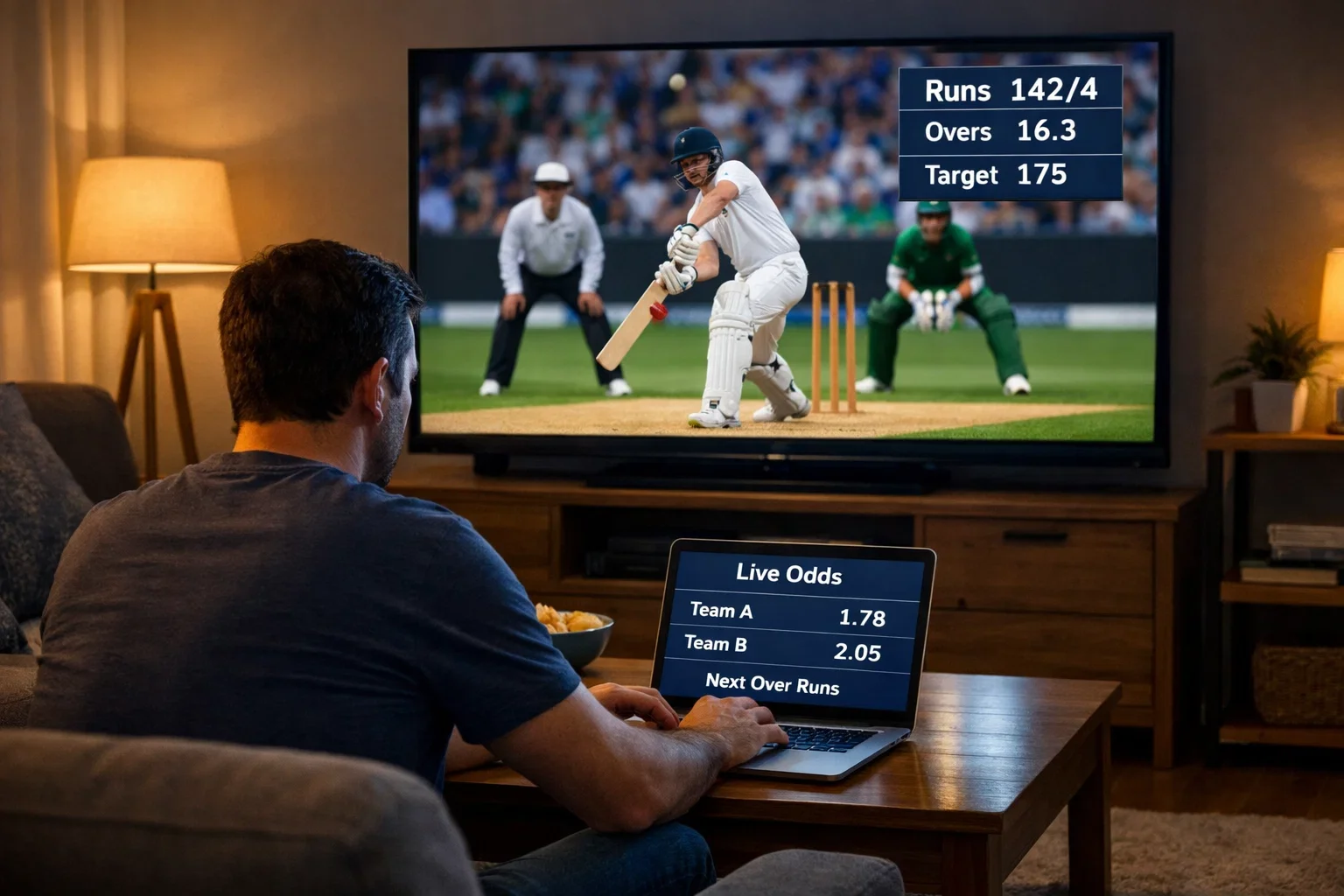
Live betting transforms cricket from a pre-match prediction exercise into a dynamic, real-time analytical challenge. As matches unfold, odds shift continuously—responding to wickets, boundaries, weather changes, and momentum swings. This constant movement creates opportunities unavailable in pre-match markets, but also introduces complexity and risks that require specific strategies to navigate.
What makes cricket particularly suited to live betting is its pace. Unlike football or basketball where action is continuous, cricket proceeds ball by ball with natural pauses between deliveries. These pauses allow considered analysis rather than split-second decisions. You can assess the situation, compare your evaluation to current odds, and place bets without the time pressure that makes live betting in faster sports so challenging.
Reading Match Momentum
Momentum in cricket is real but often misread. Understanding when genuine momentum shifts occur—versus when random variance creates illusion of momentum—separates profitable live bettors from those who chase false patterns.
Wickets change momentum more than runs. A flurry of boundaries might shorten the batting team's odds dramatically, but unless wickets accompany those boundaries, the match state hasn't fundamentally changed. Conversely, three wickets in quick succession transforms matches regardless of run rate. Live betting success often involves buying low after wicket clusters (when batting odds have overcorrected) or selling high during boundary-heavy passages that don't reflect sustainable scoring rates.
Watch for momentum shift triggers beyond the obvious. A bowling change that introduces a favorable matchup can precede wickets before they fall. A dropped catch might foreshadow fielding lapses to come. A batsman surviving a confident appeal might settle nerves that were previously jangling. These subtle indicators often precede odds movements, creating windows for bets before markets adjust.
Distinguish between actual momentum and narrative momentum. Commentary teams often construct momentum stories that don't reflect match reality. A team might be "on top" narratively while mathematically being in trouble. Your live betting should respond to objective match state—runs required, wickets in hand, overs remaining—rather than subjective momentum descriptions.
Exploiting Overreaction
Live betting markets overreact to short-term events because they must adjust instantly to new information. This overreaction creates systematic opportunities for bettors who can identify when adjustments have gone too far.
Markets overreact to powerplay performance in T20 and ODI cricket. Strong starts see batting team odds shorten; weak starts see them lengthen. But powerplay performance often doesn't predict final outcomes—teams that struggle early frequently recover, while teams that start explosively sometimes collapse. If you assess that powerplay odds movements have overshot, betting against the momentum captures value.
Wicket clusters trigger excessive odds movements. When a team loses 3 for 15, their odds lengthen dramatically. But sometimes this cluster represents normal variance rather than terminal collapse. The remaining batsmen might be equally capable; the bowling might not maintain its threat. If your assessment suggests the cluster was variance rather than genuine superiority, backing the weakened team at now-extended odds offers value.
Weather interruptions create pricing chaos. When rain threatens and odds adjust for potential abandonment or DLS scenarios, markets sometimes misprice resumed-play situations. If you can accurately predict how conditions will play out post-interruption, you can exploit odds set under uncertainty.
In-play betting requires knowledge of the DLS method for rain interruptions.
Format-Specific Live Strategies
Each cricket format demands different live betting approaches because match dynamics differ fundamentally.
Test match live betting rewards patience and session thinking. Matches unfold over days, allowing considered analysis between sessions. The draw market provides opportunities unavailable in limited-overs cricket. When conditions suggest batting will become difficult or weather threatens, draw odds might be shorter than justified. Conversely, when pitches flatten and teams are evenly matched, result odds might be shorter than they should be. Session betting—predicting outcomes within morning, afternoon, or evening sessions—lets you focus on shorter timeframes where your analysis might be more accurate.
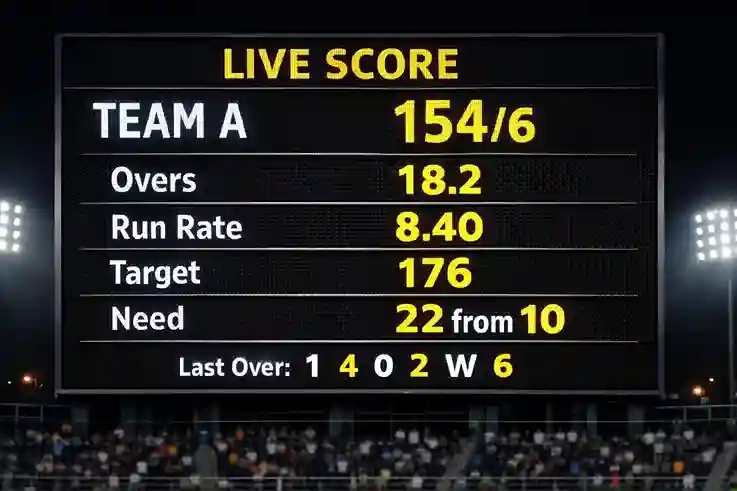
ODI live betting centers on run-rate calculations and DLS implications. During chases, required run rate provides objective benchmarks. If a team needs seven per over with recognized batsmen set, their odds should reflect that achievable task. If odds imply they're less likely to succeed than required run rate suggests, backing them offers value. First innings live betting involves assessing par scores and comparing in-progress totals to venue expectations.
T20 live betting moves fastest and offers highest variance. The brief format means small events—a dropped catch, a no-ball six—significantly impact outcomes. Markets adjust rapidly, sometimes before you can react. T20 live betting suits those comfortable with quick decisions and willing to accept that individual bet outcomes will vary dramatically from expectation. Position sizing must be conservative because the format's inherent variance compounds with live market volatility.
Timing Your Bets
When you bet during live play matters as much as what you bet on. Optimal timing captures value that suboptimal timing misses.
Bet before anticipated events, not after. If you expect a batting acceleration in the final overs, bet before those overs begin rather than after runs start flowing. If you expect a bowler to struggle against a set batsman, bet before they bowl rather than after conceding boundaries. Betting ahead of developments captures value; betting after developments have occurred captures none.
Natural breaks provide assessment opportunities. Drinks breaks, innings breaks, and lunch intervals offer time to evaluate match state without ongoing action affecting odds. Use these pauses to refine your assessment and compare to current market prices. If you identify value during breaks, bet before play resumes when odds might shift.
Avoid betting immediately after dramatic events. When a wicket falls or a boundary is hit, markets surge in one direction. These immediate post-event prices often overshoot fair value. Waiting thirty seconds to a minute allows you to assess whether the surge is justified or excessive. Patience in the moments following dramatic events frequently reveals better prices than reactive betting.
Managing Live Betting Risk
Live betting introduces risks beyond normal betting variance. Market speed, emotional engagement, and the temptation of constant action all create potential pitfalls.
Set session or match betting limits before play begins. The availability of continuous betting opportunities makes overtrading easy. Decide before the match how many bets you'll place and stick to that limit regardless of how the match unfolds. If you've placed your allocated bets and identified new value, note it for future learning rather than exceeding your limit.
Avoid chasing losses during live play. If your early bets lose, the temptation to bet more aggressively to recover is strong—especially when you're watching the match and opportunities seem to present themselves constantly. This chase mentality leads to poor decisions and expanded losses. Accept that some sessions will produce losses; the goal is profitable over many sessions, not recovering every individual loss immediately.
Watch for emotional betting triggered by match engagement. If you're a fan of one team, your emotional state fluctuates with their performance. These emotional swings affect judgment, making you more likely to bet when your team's odds lengthen (wanting them to succeed) rather than when value actually exists. Either bet matches involving teams you don't emotionally care about, or develop awareness of how fandom affects your decision-making.
Information Advantages in Live Betting
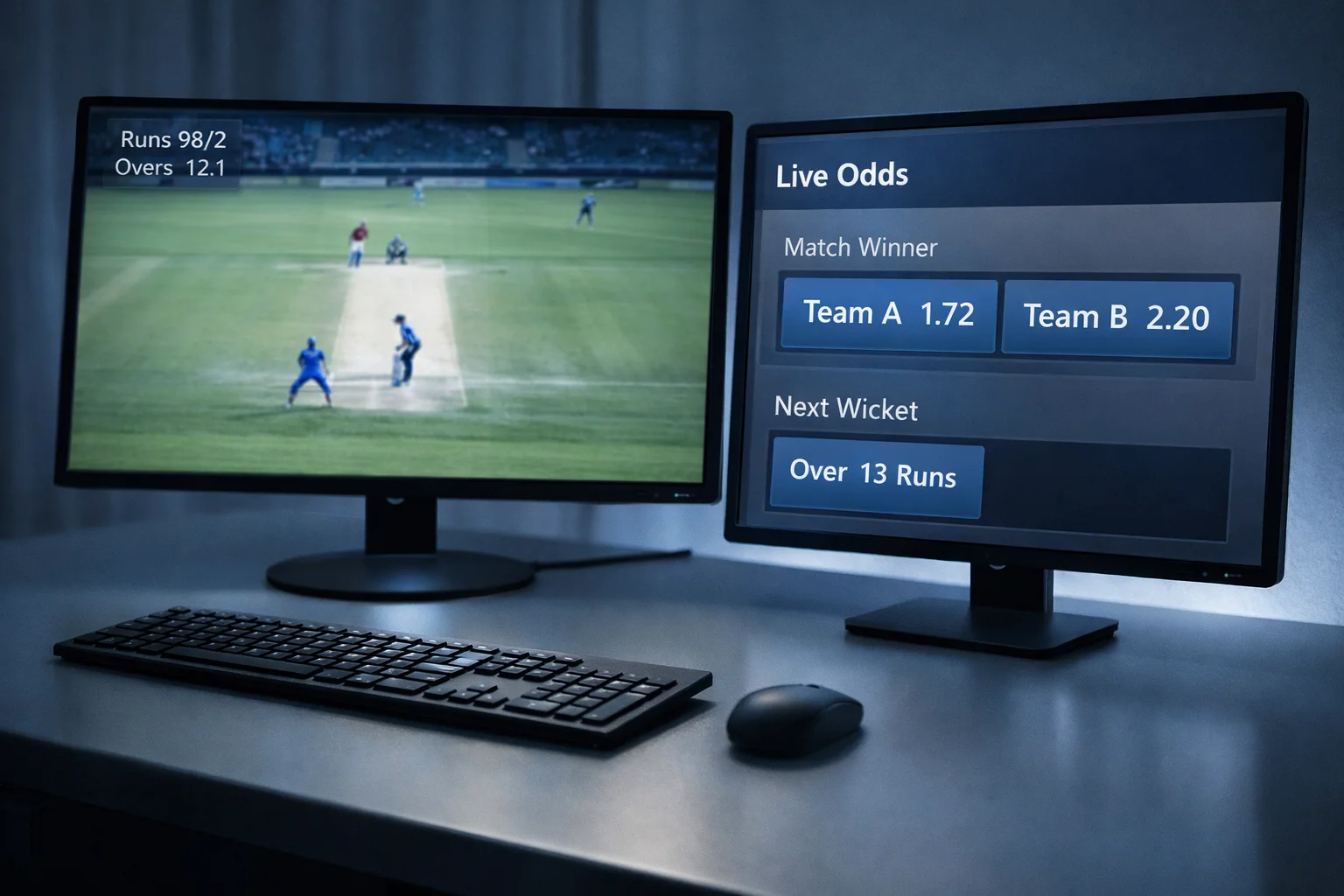
Live betting rewards those with better or faster information than the market. Developing information advantages improves your live betting edge.
Watch matches live rather than following through apps or scorecards. Visual information—batsmen looking uncomfortable, bowlers losing rhythm, fielding intensity dropping—reaches you before it affects statistics. A batsman might be struggling against a bowler for ten balls before finally getting out; watching reveals this before the wicket falls, while following statistics only sees the dismissal.
Listen to commentary for team news and tactical insights that might not appear in standard coverage. Changes in bowling plans, discussions of pitch deterioration, observations about player fitness—these commentary insights can inform betting before they're formally announced or affect official match state.
Develop understanding of how specific conditions affect play. If you know that certain grounds get dramatically easier to bat on under lights, you can anticipate batting acceleration before it happens. If you recognize when reverse swing conditions are developing, you can anticipate bowling improvements before they produce wickets. This predictive knowledge creates betting opportunities ahead of market movements.
Building Live Betting Discipline
Sustained live betting profits require discipline that goes beyond analytical skill. The psychological demands of real-time decision-making test even experienced bettors.
Review live betting sessions after matches conclude. Did you bet on genuine value opportunities or on excitement? Did your timing capture edge or miss it? Did you stick to position limits or overtrade? Honest post-session review builds awareness of patterns that help or hurt your results.
Track live betting results separately from pre-match betting. You might discover that one approach produces profits while the other produces losses. If your pre-match betting succeeds but live betting fails, focus resources on pre-match. If the reverse is true, emphasize live betting. Understanding where your edge actually lies prevents wasting resources on unprofitable approaches.
Accept that live betting suits some personalities better than others. The real-time nature, constant decision opportunities, and emotional engagement of watching matches while betting creates psychological demands that not everyone handles well. If you find live betting produces worse results than pre-match betting despite similar analytical quality, you might simply be less suited to the live betting environment.
Find live tips on our main site.
