
T20 Cricket Betting Strategies: Winning in the Shortest Format
 Available in US
T20 cricket has transformed how both fans and bettors engage with the sport. Twenty overs per side produces matches lasting roughly three hours—long enough for strategies to matter but short enough for individual moments to prove decisive. A single over can swing T20 outcomes in ways that longer formats wouldn't allow, creating betting markets characterized by volatility, rapid odds movements, and opportunities for both informed analysis and cruel variance.
The format's growth through leagues like the IPL, Big Bash, and Caribbean Premier League has made T20 the most-bet cricket format globally. Bookmakers offer extensive markets, live betting options appear continuously throughout matches, and betting volumes exceed those of Tests and ODIs combined. This liquidity is good news for bettors—it means efficient markets with competitive odds but also enough action to absorb winning bets without immediate account restrictions.
Understanding T20 Volatility
T20 outcomes are inherently less predictable than longer formats. Statistical edges that assert themselves over five days or fifty overs don't stabilize in twenty overs. A brilliant individual performance—six sixes from a tailender, a hat-trick from a medium pacer—can override careful pre-match analysis. This volatility isn't a flaw in your approach; it's a feature of the format that must be embraced rather than resisted.
Accepting variance means sizing bets appropriately. If single T20 outcomes are harder to predict than Test outcomes, your stake per T20 bet should be smaller relative to your bankroll. Larger samples—betting across dozens of T20 matches rather than a few—allow your edge to compound despite individual match variance. Bettors who size T20 bets as if they had Test-match confidence invite bankroll damage when variance inevitably strikes.
The volatility also affects how you should interpret results. A profitable T20 bettor might easily have losing weeks or even losing months from bad variance. Similarly, unprofitable approaches can produce short-term wins that disguise fundamental flaws. Evaluate your T20 betting over hundreds of bets minimum. Sample sizes below fifty are almost meaningless for assessing whether your approach works.
Markets price volatility into odds—you won't consistently find massive favorites in T20 because bookmakers understand that upsets happen frequently. This flattening of odds toward competitive prices means value often lies in correctly identifying which specific matches have larger skill gaps than odds suggest. The 1.70 favorite in a T20 might be genuinely underpriced if the opposition is weaker than other matches where similar favorites exist.
Powerplay Analysis
The first six overs determine match trajectory more than any other phase. Fielding restrictions mean boundaries flow more freely, but they also mean wickets are more valuable—losing early wickets with fielders inside the circle prevents the aggressive stroke-play that powerplays demand. Assessing powerplay potential shapes both pre-match and live betting decisions.
Team batting approaches during powerplays vary significantly. Some teams deploy ultra-aggressive openers who either score rapidly or perish quickly. Others prefer stability, accepting lower strike rates for wicket preservation. Understanding each team's philosophy helps predict powerplay outcomes. An aggressive opening pair might produce powerplay totals ranging from 70 to 30, while conservative openers might consistently land between 40 and 55. Which profile the market has priced becomes the relevant betting question.
Powerplay bowling quality varies less visibly but matters equally. Teams with multiple new-ball options can rotate effectively and avoid predictability. Teams relying on one quality new-ball bowler become vulnerable when that bowler has off days. New ball swing or seam movement—determined by pitch conditions and atmosphere—dramatically affects powerplay outcomes. Overcast mornings produce different powerplay cricket than sunny afternoons.
Live betting on powerplay totals offers opportunities when early overs create misleading impressions. If the first two overs produce just eight runs but pitch and bowling quality suggest runs should flow, over totals for the powerplay might offer value at extended odds. Conversely, if two overs produce 25 runs but one includes three full tosses that got dispatched, under totals might be underpriced based on unsustainably aggressive bowling.
Death Overs Specialists
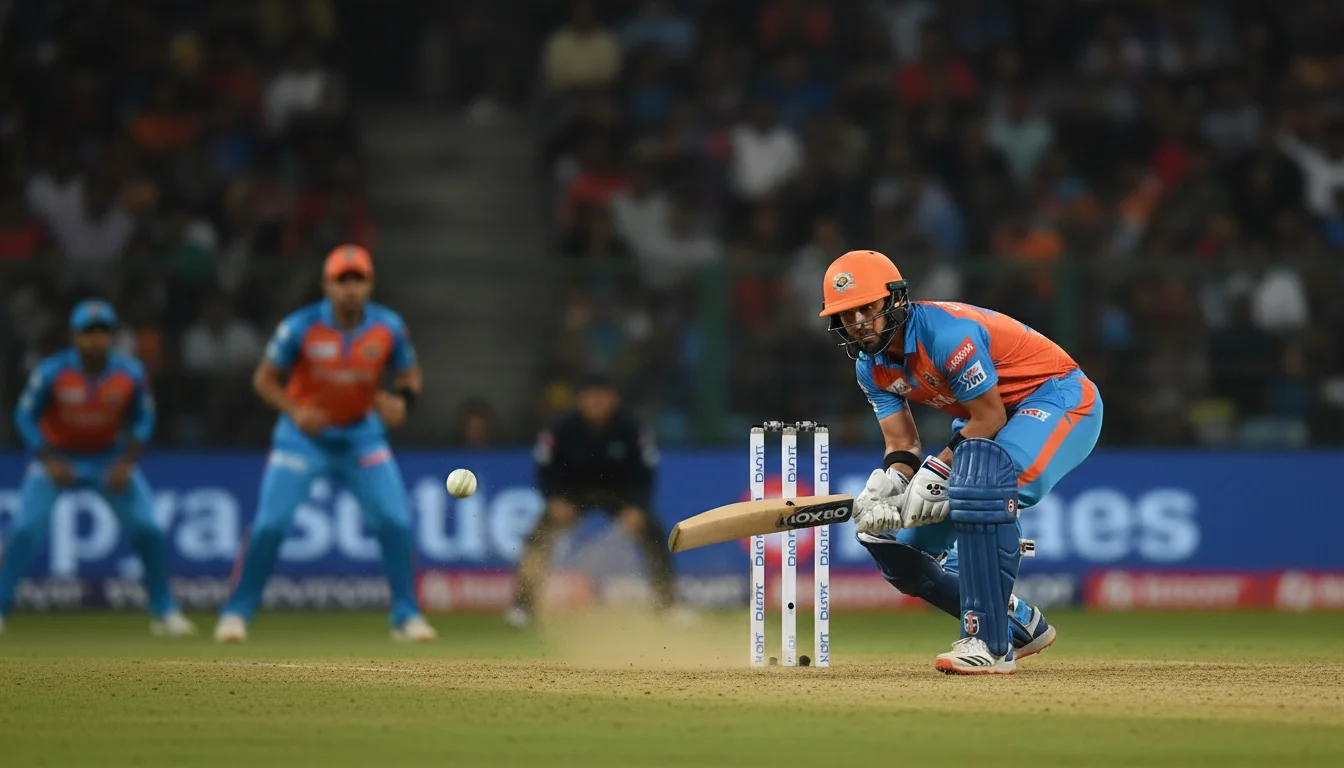
The final five overs of T20 innings represent the highest-leverage phase. Strike rates need to exceed 150 to maintain run-rate acceleration, which means bowlers face constant boundary attempts. Some bowlers thrive under this pressure; others get destroyed. Identifying death overs specialists on both sides of the ball significantly informs player market betting.
Death bowlers earn their status through specific skills. Accurate yorkers, deceptive slower balls, and the nerve to execute under pressure separate death specialists from regular bowlers. Career death overs economy rates and boundary percentages reveal who actually delivers when needed. Some bowlers with excellent overall figures struggle at the death; others with ordinary overall records excel under final-over pressure.
Death batting requires different skills than powerplay or middle overs hitting. The ability to clear boundaries against defensive bowling—yorkers, slower balls, wide lines—rather than punishing mistakes separates death specialists from conventional big hitters. Some batsmen average 170 strike rate in death overs while others average 130. In T20s where death overs matter disproportionately, these differences become massive.
Match situation shapes death overs expectations. If a team needs 45 from the last three overs, betting on over totals might look attractive given required aggression. But desperation doesn't guarantee execution—sometimes chasing teams swing wildly and lose wickets rather than scoring boundaries. Similarly, defending teams with strong death bowling can execute under pressure that loose bowling teams cannot. Reading the specific matchup rather than just the scenario improves death overs betting.
Player Performance Markets
T20's individual-centric nature makes player performance markets particularly attractive. Top batsman, top bowler, and player of the match betting lets you leverage specific knowledge about players, matchups, and conditions without predicting entire match outcomes. Many successful T20 bettors focus primarily on player markets rather than match winners.
Batting order position heavily influences top batsman probability. Openers face the most deliveries barring collapses, giving them inherent advantages in runs accumulation. But they also face the best bowling periods—powerplay with new ball. Middle-order batsmen might bat fewer overs but face tired bowling and smaller boundaries under lights. The tradeoff depends on specific batting lineups and conditions.
Form matters more in player markets than match markets because individual variance is higher. A batsman in terrible form still belongs to a team that might win; their poor performance gets diluted by teammates. But in top batsman markets, their struggles directly reduce your winning probability. Track recent form across multiple matches rather than focusing solely on seasonal averages that might hide current slumps or peaks.
Matchup advantages create value in player markets. Certain batsmen dominate specific bowling types—right-arm pace, left-arm spin, particular variations. If you identify a batsman likely to face favorable matchups in a specific match, their top batsman odds might undervalue this advantage. Similarly, bowlers who excel against specific batting approaches might be underpriced against teams with those tendencies.
Apply these strategies to the biggest league in the world: IPL betting.
Toss and Conditions
The toss matters more in T20 than longer formats, particularly at venues where chasing provides significant advantages. Dew—evening moisture that makes the ball harder to grip and fields slippery—often benefits teams batting second. Night matches at grounds with heavy dew see dramatic chasing advantages that pre-match odds must incorporate.
Research venue-specific chase rates before betting. Some grounds see teams chasing win 60-65% of matches due to conditions. Others show no significant advantage either way. If pre-match odds don't fully reflect venue-specific toss impacts, value exists in waiting for the toss before betting. Teams winning tosses and choosing to chase at chase-friendly venues deserve shorter odds than pre-toss markets offer.
Weather conditions beyond dew affect T20 outcomes. Wind assists or hinders boundary hitting depending on direction. Extreme heat slows outfield speeds and saps fielding energy. Humidity affects swing bowling in early overs. These factors are knowable before matches and should inform your analysis even if bookmakers also know them. The question is whether their odds fully price in condition impacts.
Tournament familiarity with specific conditions creates betting edges. Teams playing home leagues understand their venues intimately. Touring teams face unfamiliar conditions, variable bounce, and atmospheres they don't experience regularly. The IPL sees visiting international players struggling initially before adapting; early-tournament matches might favor locals more than talent comparisons suggest.
Live Betting in T20
T20's rapid pace creates live betting markets that move constantly. Every boundary, wicket, and dot ball shifts odds in real time. This dynamism offers opportunities for bettors who can read match flow and anticipate market movements—but also risks for those who bet reactively rather than analytically.
Avoid chasing market movements. When a team hits three consecutive sixes and their odds shorten dramatically, betting at those shortened odds captures none of the value—you're buying at prices that reflect what just happened rather than what will happen. The edge lies in predicting movements before they occur, not confirming them after. If you expect a batting explosion that the market hasn't priced, bet before it happens.
Momentum shifts in T20 create the best live betting opportunities. When a dominant batting innings suddenly loses two wickets, odds swing hard toward the bowling team. But two wickets don't necessarily indicate collapse—the new batsmen might be equally dangerous. If you assess the batting team remains strong despite wickets, their extended odds might offer value. Conversely, when pressure mounts on a chasing team, their odds might lengthen beyond what the mathematical situation justifies.
Required run rate provides objective guidance during live betting. Calculate what the chasing team needs per over, assess whether that rate is achievable given remaining batsmen and bowling quality, and compare your assessment to current odds. When your calculations suggest different probability than market odds imply, you've potentially identified value. This mathematical grounding prevents emotional betting based on match excitement.
Building Sustainable T20 Betting
Long-term T20 betting profits require approaches that survive variance and compound over time. No strategy wins every bet or every session. The goal is developing edge that produces positive returns over hundreds of bets while managing bankroll to survive inevitable losing streaks.
Specialize within T20 rather than betting everything. Some bettors develop expertise in specific leagues whose player pools they know intimately. Others focus on specific market types—totals, player props, live betting during death overs. Specialization allows deeper knowledge than generalist approaches. The IPL specialist who watches every match knows things about player form, pitch tendencies, and team dynamics that casual bettors cannot replicate.
Track everything you bet with sufficient detail to analyze what works. Record not just outcomes but your reasoning—what analysis led to each bet. When you review losing periods, having reasoning recorded lets you distinguish bad luck from bad analysis. When you review winning periods, you can confirm whether profits came from good process or fortunate outcomes. This distinction matters enormously for long-term improvement.
Accept that T20 rewards preparation but punishes overconfidence. Your analysis might be correct and you still lose frequently because the format allows individual excellence to override systematic advantages. Humility about what you can and cannot predict keeps stake sizing appropriate and prevents tilt when variance strikes. The bettors who survive long enough to realize their edge are those who never bet as if they knew outcomes—because in T20, nobody does.
Find T20 tips on the CricketBetTips hub.
