
Test Cricket Betting Guide: Strategies for Five-Day Matches
 Available in US
Test cricket is the format that separates serious cricket bettors from casual punters. Five days of play, shifting conditions, and the possibility of draws create complexity that shorter formats simply don't offer. While T20 betting rewards quick reactions and gut instinct, Test betting rewards patience, deep analysis, and understanding of how matches evolve over extended periods.
The betting markets in Test cricket are uniquely volatile. A team dominating on day one can find themselves fighting for survival by day three. Pitches transform from batting paradises into spin-friendly minefields. Weather interruptions reshape match dynamics entirely. This volatility creates opportunities for bettors who understand Test cricket's rhythms and can anticipate how conditions and match situations will develop.
The Draw Factor
No discussion of Test betting begins anywhere but the draw market. Unlike limited-overs cricket, Test matches have three possible outcomes, and the draw fundamentally changes betting strategy. Many recreational bettors avoid draw betting because it feels boring—backing neither team to win lacks emotional appeal. This psychological aversion often creates value in draw markets that sharper bettors exploit.
Understanding when draws become likely requires reading multiple factors simultaneously. Flat pitches that offer nothing for bowlers can produce stalemates even between attacking teams. Weather forecasts showing significant rain during the match increase draw probability dramatically—lost overs can't be recovered. Conservative captaincy from teams protecting series leads or avoiding defeats also pushes matches toward draws. When these factors align, draw prices often remain too high because the market underweights their combined impact.
The timing of draw bets matters enormously. Pre-match draw prices reflect bookmaker assessments before conditions are known. Once play begins and the pitch reveals its character, draw odds adjust. If day one produces 350 runs for two wickets on a lifeless surface, draw odds will shorten considerably. Betting draws before the match when you've researched pitch history and weather forecasts can capture value before the market catches up to conditions.
Draw no bet markets offer a middle ground for bettors who want to back a team without risking loss to draws. You forfeit potential profit from draw outcomes but protect your stake if rain or flat pitches prevent results. In series contexts where one team needs victory and the other would accept draws, this market structure lets you bet on the attacking team while insulating against match conditions favoring stalemate.
Pitch Evolution and Its Impact
Test pitches don't remain static—they evolve over five days in ways that transform match dynamics and betting markets. Day one surfaces typically offer most assistance to pace bowlers, with fresh grass and hard surfaces creating seam movement. As matches progress, pitches dry out, grass wears away, and cracks develop. By days four and five, spin bowlers often dominate surfaces that earlier offered them nothing.
This evolution makes fourth innings targets notoriously difficult to chase. A pitch yielding 400 runs in the first innings might only allow 200 in the fourth. Batting becomes progressively harder as variable bounce emerges from cracked surfaces and spinners extract sharp turn. Teams setting seemingly modest targets often find themselves winning comfortably because opposition batsmen can't handle deteriorating conditions. The betting markets frequently underestimate this dynamic, pricing fourth innings chases as easier than history suggests they are.
Research pitch behavior at specific grounds before betting. Some venues—like those in the subcontinent—deteriorate dramatically and heavily favor teams batting first. Others—like certain English grounds—maintain consistent character throughout. Historical data on average first versus fourth innings scores at each venue reveals patterns that inform betting strategy. A venue where fourth innings scores average 40% of first innings scores presents very different betting propositions than one where the ratio is 80%.
Live betting during Test matches should account for expected pitch evolution. If a team scores 450 batting first on a pitch showing early deterioration signs, the match winner market might still favor the team batting second based on raw total. But experienced Test bettors recognize that 450 on a deteriorating pitch might be worth 550 on a stable one. The value often lies in backing the team that batted first before the market fully prices in pitch deterioration.
The pinnacle of Test cricket is discussed in our Ashes betting guide.
Weather as a Variable
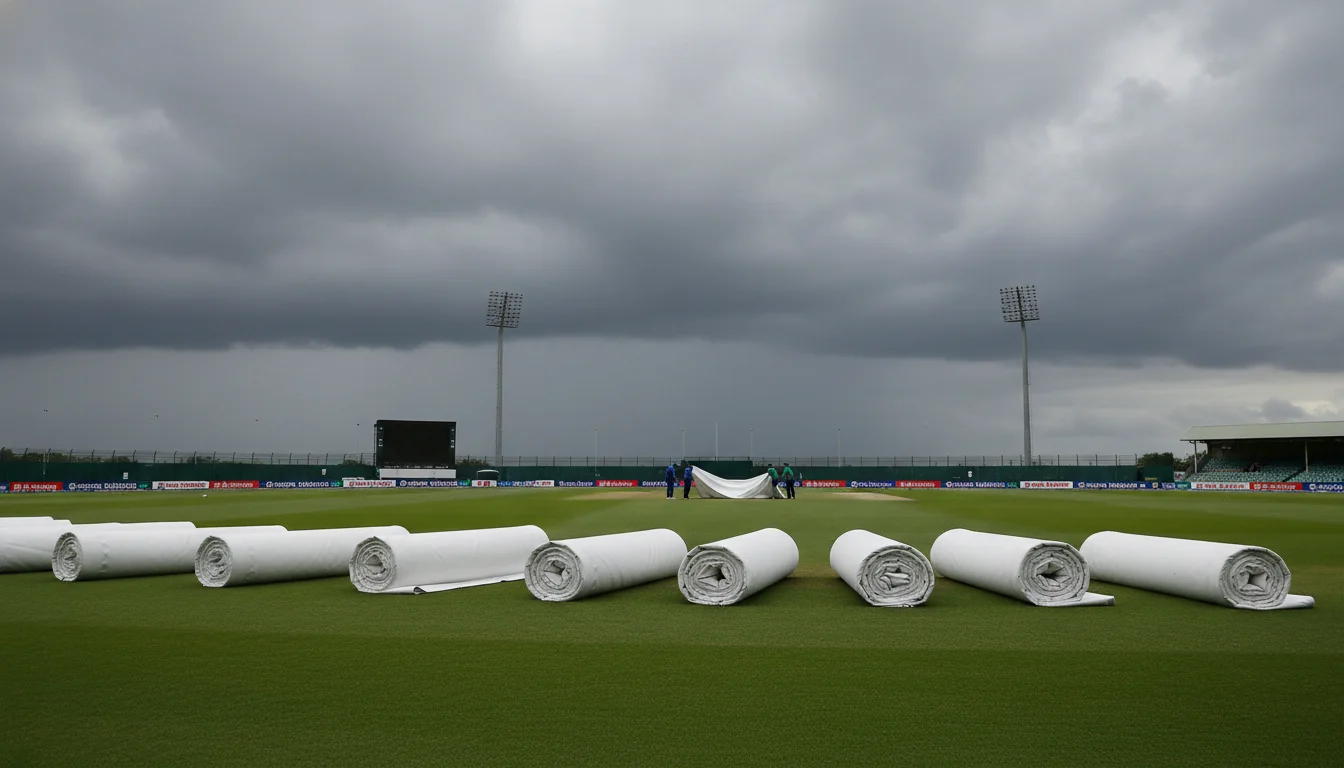
Weather affects Test cricket more than any other format because matches span multiple days and interruptions can't be compensated with adjusted targets. Rain doesn't just delay play—it changes pitch behavior, affects ball condition, and alters strategic decisions. Incorporating weather analysis into Test betting isn't optional; it's essential.
Check forecasts for all five days before placing pre-match bets. Significant rain probability on days four and five dramatically increases draw likelihood regardless of how the first three days unfold. Partial rain—enough to lose sessions but not entire days—can help batting teams by preventing bowlers from building pressure and allowing pitch recovery between play periods. Overcast conditions without rain assist swing bowling, often producing bowler-friendly days even on otherwise flat pitches.
The relationship between weather and pitch varies by location. In England, cloud cover creates significant swing even on good batting surfaces—overcast days regularly see batting collapses that sunny days wouldn't produce. In the subcontinent, humidity affects reverse swing timing more than swing itself. In Australia, wind conditions influence pace bowlers' effectiveness and can assist or hinder specific bowling types. Regional weather patterns should inform your betting analysis for matches in unfamiliar venues.
Weather changes during matches create live betting opportunities. If heavy rain is forecast for days four and five but the first three days are clear, draw prices might remain relatively high during early play. Betting draws during favorable early conditions captures value before the market fully prices in expected interruptions. Conversely, if forecasts clear unexpectedly, draw odds might stay short despite conditions now favoring results.
Session and Segment Betting
Test cricket's extended duration enables betting markets unavailable in shorter formats. Session betting—morning, afternoon, and evening segments—lets you focus analysis on specific match periods rather than entire five-day outcomes. Understanding how different sessions typically play helps identify value within these markets.
Morning sessions traditionally favor bowlers. Fresh conditions, atmospheric assistance, and residual moisture often create movement early before pitches harden under sun exposure. First session run rates tend to be lower than afternoon sessions on batting-friendly pitches. Backing bowling performances or under runs in morning sessions exploits this pattern, particularly on days one and two when conditions haven't fully settled.
Afternoon sessions often see run rates increase as pitches flatten and bowlers tire. Batting markets and over runs in afternoon segments can offer value when morning sessions were bowler-dominated and the market overweights that performance into afternoon expectations. The transition from morning to afternoon conditions is where experienced Test bettors find edges.
Tea-to-stumps sessions introduce additional variables. Light can become a factor in winter or northern hemisphere autumn Tests. Tired bowlers face batsmen with long periods at the crease. Captains sometimes become defensive as stumps approach, affecting run rates. These dynamics aren't always fully priced into evening session markets.
Series Context and Motivation
Test matches rarely occur in isolation—they're part of series where context shapes team motivation and strategy. A team leading 2-0 in a five-match series approaches the fourth Test differently than a team needing victory to stay alive. These motivational factors significantly influence betting markets but aren't always properly priced.
Teams protecting series leads often play conservatively. They're more likely to bat first regardless of conditions, set defensive fields, and settle for draws rather than risk defeats chasing victories. Betting draws in matches where one team has already secured the series can offer value because that team's incentive structure favors caution over aggression.
Teams needing victories to level or win series take greater risks. They might declare earlier, bowl more aggressively, and push for results even when conditions suggest caution. This desperation can produce exciting cricket but also collapses and defeats. Understanding which team needs the result and which team would accept a draw fundamentally shapes how you should approach match betting.
The final Test of a series often produces different dynamics than earlier matches. Teams with nothing to play for might rest key players or experiment with combinations. Teams seeking to avoid series defeats might take maximum risk. These contextual factors deserve consideration alongside pure form and conditions analysis.
Player Workload and Fatigue
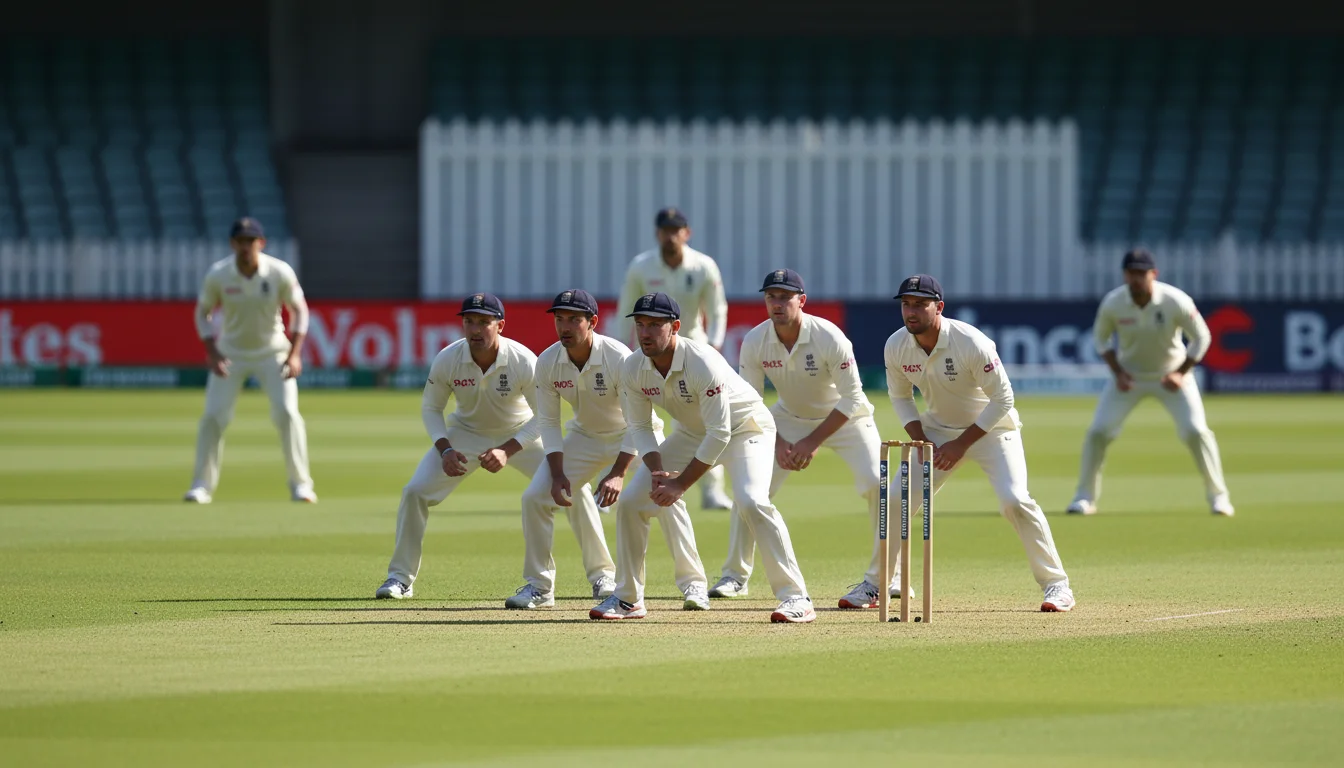
Five-day cricket exhausts players in ways that shorter formats don't. Fast bowlers delivering 25-30 overs daily accumulate fatigue that affects performance late in matches. Batsmen spending hours at the crease can lose concentration. Understanding workload dynamics helps predict how matches might unfold beyond the obvious form indicators.
Pay attention to bowler workloads across series. A pace attack that bowled 150 overs in the previous Test might lack the same penetration in the next match, particularly if played with minimal rest days between. Spinners can sustain higher workloads but still tire by match end. Teams relying heavily on one or two strike bowlers face particular vulnerability when those bowlers fatigue.
Batting collapses often occur when middle and lower orders face fresh bowlers after top orders have tired the attack. The dynamics of new ball availability (after 80 overs) can transform matches—tired bowlers with new balls against set batsmen creates volatility in either direction. Live betting around new ball periods offers opportunities if you correctly read which team the conditions and match situation favor.
In-Play Strategy for Tests
Test match live betting requires different approaches than limited-overs in-play. The pace allows considered analysis rather than split-second decisions. Odds move more gradually, giving you time to research, watch conditions, and identify value before placing bets. This measured environment suits analytical bettors more than action-oriented ones.
The key in-play principle is anticipating market overreaction to short-term developments. When a team loses three quick wickets, odds swing dramatically toward the bowling side. But three wickets in 30 minutes doesn't necessarily indicate total collapse—sometimes it's just variance, and recovery follows. Similarly, a dominant batting session can shorten the batting team's odds beyond what's justified by expected pitch deterioration later.
Position yourself to exploit these overreactions. If you assess that the market has overreacted to a morning collapse, backing the team that collapsed at their now-extended odds might offer value once stable batting resumes. The five-day duration means short-term swings often correct, creating opportunities for patient bettors who avoid panic reactions.
The most profitable Test in-play approach often involves backing results when draw odds have collapsed but conditions suggest results remain likely. Conversely, backing draws when result odds have shortened but weather or pitch conditions suggest stalemate remains probable. Reading the match state against current odds reveals where markets have mispriced outcomes.
Find Test match predictions at CricketBetTips.com.
