
Weather Impact on Cricket Betting: Reading Conditions for Profit
 Available in US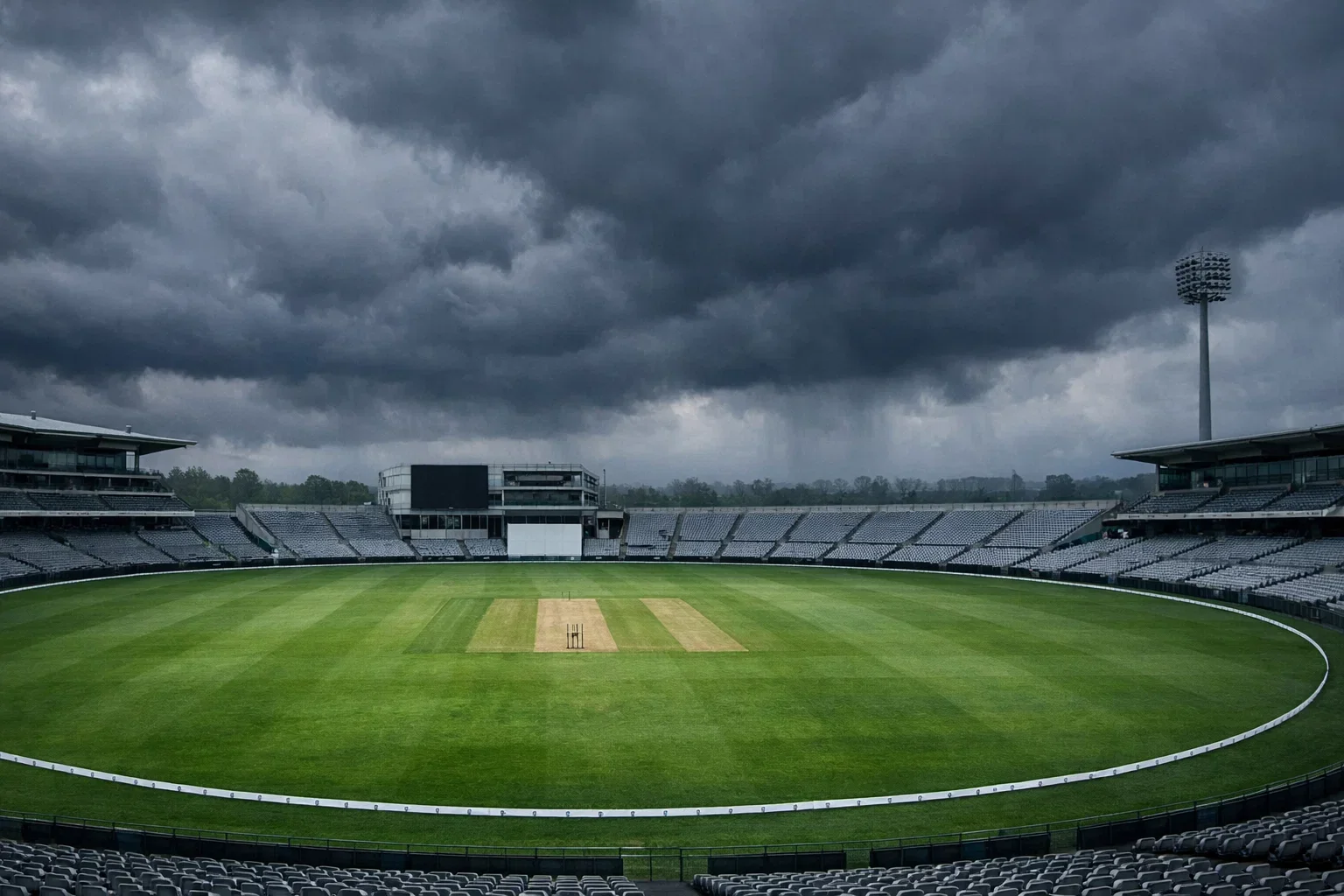
Weather shapes cricket more profoundly than almost any other major sport. Rain can abandon matches entirely, turning predicted results into no-contests. Overcast conditions assist swing bowling, transforming batting-friendly situations into bowler-dominated struggles. Humidity, wind, and temperature all affect how the ball behaves and how players perform. For bettors, weather literacy provides edge because conditions are knowable before matches but often underweighted in market prices.
What makes weather particularly valuable for cricket betting is its asymmetric impact. Weather doesn't just change match outcomes randomly—it systematically favors certain outcomes over others. Overcast conditions help bowling. Dew helps batting in day-night games. Heat exhausts fielding teams in long sessions. Understanding these systematic effects lets you identify when weather creates value that markets haven't fully priced.
Rain and Match Abandonment
Rain is the most dramatic weather factor in cricket, capable of washing out entire days of play or forcing result determination through DLS calculations. Managing rain risk—and identifying when rain creates opportunity—is fundamental to cricket betting.
Check forecasts for rain probability before every outdoor bet. Rain forecasts are imperfect but informative. When forecasts show significant rain probability, several betting adjustments become appropriate. Draw prices in Tests shorten for good reason—rain reduces available playing time, making results less likely. Totals in limited-overs cricket become less predictable because DLS scenarios might override natural match progression.
Rain timing matters more than rain quantity. A brief shower during the innings break affects matches minimally. The same amount of rain falling mid-innings can produce DLS scenarios that dramatically affect outcomes. When forecasts specify when rain is expected, consider how that timing interacts with likely match state.
DLS method implications create betting angles when rain threatens. Teams ahead on DLS at interruption want rain to continue; teams behind want play to resume. Understanding DLS calculations helps you identify when rain might produce unexpected winners or losers. A team that seems behind in actual play might actually be ahead on DLS—meaning rain interruption would award them victory.
Overcast Conditions and Swing Bowling
Cloud cover affects cricket by influencing how the ball moves through the air. Swing bowling—the ball curving laterally in flight—increases under overcast skies due to atmospheric conditions that help the ball's seam grip air differently.
Overcast conditions systematically favor bowling teams. When thick cloud cover dominates, teams batting first face tougher conditions than blue-sky scenarios would suggest. This affects both match winner markets and totals. First-innings totals under heavy cloud tend to be lower than venue averages; batting teams struggle against swing that wouldn't exist in clear conditions.
The mechanism involves atmospheric moisture and air density. Humid, overcast conditions create air that lets bowlers generate more conventional swing. The ball moves more in flight, challenging batsmen to adjust their shots mid-stroke. Even modest swing—a few centimeters of movement—dramatically increases edge and LBW probability.
Morning sessions under cloud cover particularly favor bowling. Atmospheric conditions often make swing most pronounced early in the day when humidity peaks. Toss winners in overcast conditions typically bowl first to exploit these morning swings before conditions moderate. If you're betting sessions or early match markets, cloud cover during opening hours matters more than general daily conditions.

Dew Factor in Day-Night Cricket
Dew fundamentally alters evening conditions in day-night cricket, whether Tests under lights or limited-overs matches finishing after sunset. Understanding dew's effects is essential for any day-night cricket betting.
Dew makes bowling and fielding significantly harder. As evening temperatures drop, moisture settles on the outfield and the ball. Bowlers struggle to grip wet balls, reducing their ability to generate spin or seam movement. Fielders find wet balls harder to throw accurately. The batting team gains advantages that weren't present earlier.
In limited-overs cricket, dew creates systematic second-innings advantages. Teams chasing at night often benefit from conditions that make their task easier than first-innings batting was. This dew advantage is well-documented at certain venues—Indian grounds are particularly affected during winter months when temperature drops are dramatic.
Toss decisions in dew-affected matches reveal team assessments. When captains choose to bowl first in day-night ODIs, they're often prioritizing evening batting when dew helps. This preference has become so pronounced that second-innings batting success rates have increased at many subcontinental venues. Betting markets sometimes adjust for dew, but not always fully—particularly at venues where dew impact varies seasonally.
Temperature and Player Fatigue
Extreme temperatures affect player performance across all formats, but particularly in longer matches where fatigue accumulates. Heat exhaustion, concentration lapses, and physical deterioration all influence outcomes.
Hot conditions favor batting teams through fielding deterioration. Bowlers tire faster in extreme heat, reducing pace and accuracy. Fielders become sluggish, creating more boundary opportunities from balls that fresher fielders might cut off. Long hot days compound these effects—teams bowling through the afternoon heat of subcontinental or Australian summers face genuine physical challenges.
Hydration and fitness variations between teams become relevant in extreme conditions. Teams with superior fitness regimes handle heat better. Teams with older squads or players managing injuries struggle disproportionately. When matches occur during heat waves, consider which team is better equipped to manage extreme conditions.
Cold conditions create different challenges. Cold balls are harder and hurt more when striking batsmen. Bowlers' fingers stiffen, affecting grip and control. Early-season English cricket and late-season New Zealand matches sometimes feature cold enough conditions to affect performance noticeably. These effects are less dramatic than heat but still matter for precise betting.
Wind Conditions at Specific Venues
Wind affects cricket by altering ball flight and making certain deliveries easier or harder to execute. Some venues have predictable wind patterns that create systematic advantages.
Strong winds from specific directions favor particular bowling types. Bowlers running with the wind generate extra pace and bounce. Bowlers into the wind find seam movement easier but pace harder. Captains rotate their attacks to exploit wind advantages, but understanding which bowlers benefit helps predict session performance.
Batting against the wind is harder than batting with it. The ball stays in the air longer when hit into the wind, making catches easier and boundaries harder. Hitting with the wind helps the ball carry over boundary ropes. These effects are most pronounced at exposed grounds—coastal venues, grounds at elevation, or stadiums without significant wind barriers.
Wellington's Basin Reserve and Cape Town's Newlands are famously affected by wind. When strong winds are forecast at these venues, consider how wind direction will interact with the bowling ends and batting approaches. Markets don't always price wind effects fully, particularly when forecasts change close to match time.

Integrating Weather into Betting Decisions
Weather information should integrate with other analysis rather than drive betting decisions alone. The goal is identifying when weather creates value not reflected in current prices.
Compare your weather-adjusted expectation to market prices. If you assess that overcast conditions make a bowling-first strategy dominant, but toss-winner odds don't reflect this, batting-team backing might offer value if they lose the toss and bowl. If heavy dew is forecast but second-innings totals aren't adjusted, over bets on second-innings runs might have value.
Weather forecasts change—sometimes dramatically in the hours before matches. Late forecast changes create opportunities when markets haven't fully adjusted. If morning forecasts showed clear skies but afternoon updates predict cloud cover, odds set on morning information might contain stale assessments. Following forecasts throughout the day before matches captures these adjustment opportunities.
Don't let weather analysis override fundamental team quality. Weather affects matches within bounds—it doesn't turn weak teams into strong ones. A 10% weather advantage for one team still results in defeat if they're fundamentally outmatched by 20%. Weather provides edge on relatively evenly matched contests more than it reverses clear mismatches.
Seasonal and Regional Patterns
Different cricket regions have characteristic weather patterns that affect betting strategy throughout their seasons.
English summers feature unpredictable weather that increases draw probability in Tests. June matches are particularly weather-affected. By August, conditions typically stabilize. This seasonal pattern should inform series betting—early-series matches carry more weather uncertainty than late-series ones.
Subcontinental winters produce dew-heavy conditions for evening cricket. The IPL in April and May sees dramatic dew effects in many venues. Indian domestic tournaments in winter months share these patterns. Knowing when dew seasons peak helps predict match dynamics without checking individual forecasts.
Australian summers are generally reliable for clear weather, but heat becomes the dominant factor. Adelaide and Perth can experience extreme heat during summer Tests. Sydney in January faces humidity that differs from other Australian venues. Regional variations within countries matter as much as national generalizations.
Caribbean cricket faces hurricane season considerations and afternoon tropical storms. West Indian venues in certain months have predictable afternoon rain patterns that affect limited-overs scheduling and match completion. Understanding these regional patterns provides baseline expectations before checking specific forecasts.
