
Head-to-Head Records in Cricket Betting
 Available in US
Historical matchups between teams and between individual players provide context that pure form and ability assessments miss. Some teams consistently outperform against specific opponents regardless of overall strength. Some players have inexplicable dominance over particular oppositions. These head-to-head patterns persist often enough to inform betting analysis, though they must be used carefully to avoid overweighting small samples or outdated data.
What makes head-to-head analysis valuable is its specificity. General team strength tells you how a team performs on average against all opponents. Head-to-head records tell you how they perform against the specific opponent they're facing. When these differ significantly—when a strong team historically struggles against a weaker opponent, or when an underdog has dominated a favorite—the specific historical information often predicts better than general assessments.
Team vs Team Historical Patterns
Some bilateral matchups produce consistent patterns that persist across years and squad changes. Identifying and understanding these patterns improves predictions for specific fixtures.
Psychological factors create persistent head-to-head advantages. Teams develop mental blocks against certain opponents—memories of past defeats affecting confidence and decision-making. Conversely, teams facing opponents they've dominated approach matches with confidence that becomes self-reinforcing. These psychological patterns persist even as squads change because institutional memory and cultural narratives transfer to new players.
Home and away splits within head-to-head records matter more than overall records. A team might have a winning overall record against an opponent but lose consistently in away fixtures. Using overall head-to-head records without controlling for venue produces misleading expectations. Always examine home/away splits when the specific match location is known.
Recent head-to-head results deserve more weight than distant history. A matchup pattern from ten years ago with different squads tells you less than results from the past two years with current players. Historical patterns provide context, but recent meetings between current teams provide more actionable information.
Player vs Player Matchups
Individual matchups between batsmen and bowlers create predictable dynamics within matches. A batsman who consistently struggles against a specific bowler faces genuine disadvantage regardless of general form.
Batsman vs bowler records reveal exploitable weaknesses. Some batsmen have particular bowlers who dismiss them repeatedly—technical matchups where the bowler's style exposes the batsman's weaknesses. When these matchups occur in upcoming matches, player markets and match predictions should account for the likely outcomes. A top batsman with a poor record against the opposition's best bowler is less likely to score heavily than form alone suggests.
Sample size limits individual matchup conclusions. A batsman dismissed twice by a bowler in three innings might show a poor record that's actually just small-sample variance. Fifty balls faced with multiple dismissals provides more meaningful evidence. Weight matchup data according to the sample supporting it—strong conclusions require substantial interaction history.
Context within matchup records matters. Did the dismissals occur on particularly helpful pitches? Were they early in the batsman's career before technical improvements? Recent matchup results with current conditions should outweigh distant or context-specific historical data.
When Head-to-Head Overrides Form
Certain situations justify weighting head-to-head records heavily relative to current form and general ability assessments.
Long-term consistent patterns deserve significant weight. If one team has won eight of their last ten meetings against an opponent across multiple venues and years, this consistency suggests something structural rather than random. Perhaps their playing styles interact favorably. Perhaps psychological dynamics persistently affect one team negatively. Whatever the cause, consistent patterns often continue.
Recent form might matter less when head-to-head patterns are extreme. A team in excellent form facing an opponent that historically dominates them faces a specific challenge that general form doesn't capture. The historical pattern represents additional information beyond what form analysis provides—ignoring it discards potentially predictive data.
High-pressure match contexts amplify psychological head-to-head factors. Teams with losing records against opponents feel that pressure most intensely in important matches—knockouts, series deciders, tournament matches. The psychological weight of historical failure compounds under pressure, making head-to-head patterns more relevant in crucial contexts.
When to Discount Head-to-Head
Not all head-to-head data predicts future results. Recognizing when historical patterns should receive less weight prevents misapplication.
Squad turnover invalidates historical patterns. If a team that historically dominated an opponent has since lost their key players, those historical wins don't predict current contests. The players who created the dominance are gone; the institutional advantage may have disappeared with them. Recent squad changes should reduce weight given to older head-to-head records.
Venue and condition changes affect pattern relevance. A team's head-to-head dominance might exist specifically in home conditions. When matches occur at neutral venues or in the opponent's home conditions, historical patterns from different contexts lose predictive power.
Small samples create illusions of patterns. Three matches is too few to establish meaningful head-to-head expectations—variance alone can produce 3-0 records that don't reflect genuine advantage. Require substantial match history before treating head-to-head patterns as predictive rather than noise.
Using Head-to-Head for Match Betting
Practical application of head-to-head analysis requires integration with other factors rather than isolated use.
Adjust baseline predictions for head-to-head patterns. If your analysis suggests Team A has 55% win probability based on form and ability, but Team B has historically dominated this matchup, adjust your probability accordingly. How much adjustment depends on pattern strength, sample size, and recency. Strong, recent patterns might warrant 5-10 percentage point adjustments; weak or old patterns might warrant minimal change.
Compare your head-to-head adjusted predictions to market odds. If markets don't fully reflect historical patterns you consider meaningful, betting on that discrepancy captures value. If markets have already priced head-to-head factors, your adjustment provides no edge—the information is already incorporated.
Consider betting against teams facing psychological barriers. When a capable team historically struggles against a specific opponent, their odds might be shorter than head-to-head history justifies. The public sees their quality and bets accordingly; the head-to-head disadvantage isn't fully reflected. Backing the historically dominant team—even if they seem slightly weaker on paper—captures this psychological edge.

Head-to-Head in Player Markets
Individual player matchups create direct betting opportunities in player-specific markets.
Top batsman markets should account for bowling matchups. If a batsman typically fails against the bowlers they'll face, their top batsman odds might be too short. If they typically succeed against this bowling attack, their odds might be too long. Matchup analysis helps identify which player market prices don't reflect specific opponent factors.
Player performance props let you bet matchup expectations directly. If a bowler historically dismisses a specific batsman cheaply, betting the batsman's under on runs offers a way to express this view. These props often don't account for individual matchup history, creating value for those who've done the research.
Bowling figures props should consider batting lineups. A bowler facing a lineup they've historically dominated might take more wickets than their general form suggests. One facing batsmen who've handled them well might struggle despite good overall form. The matchups within the specific fixture matter more than general expectations.
Building Head-to-Head Intelligence
Systematic tracking of head-to-head patterns builds knowledge that accumulates betting value over time.
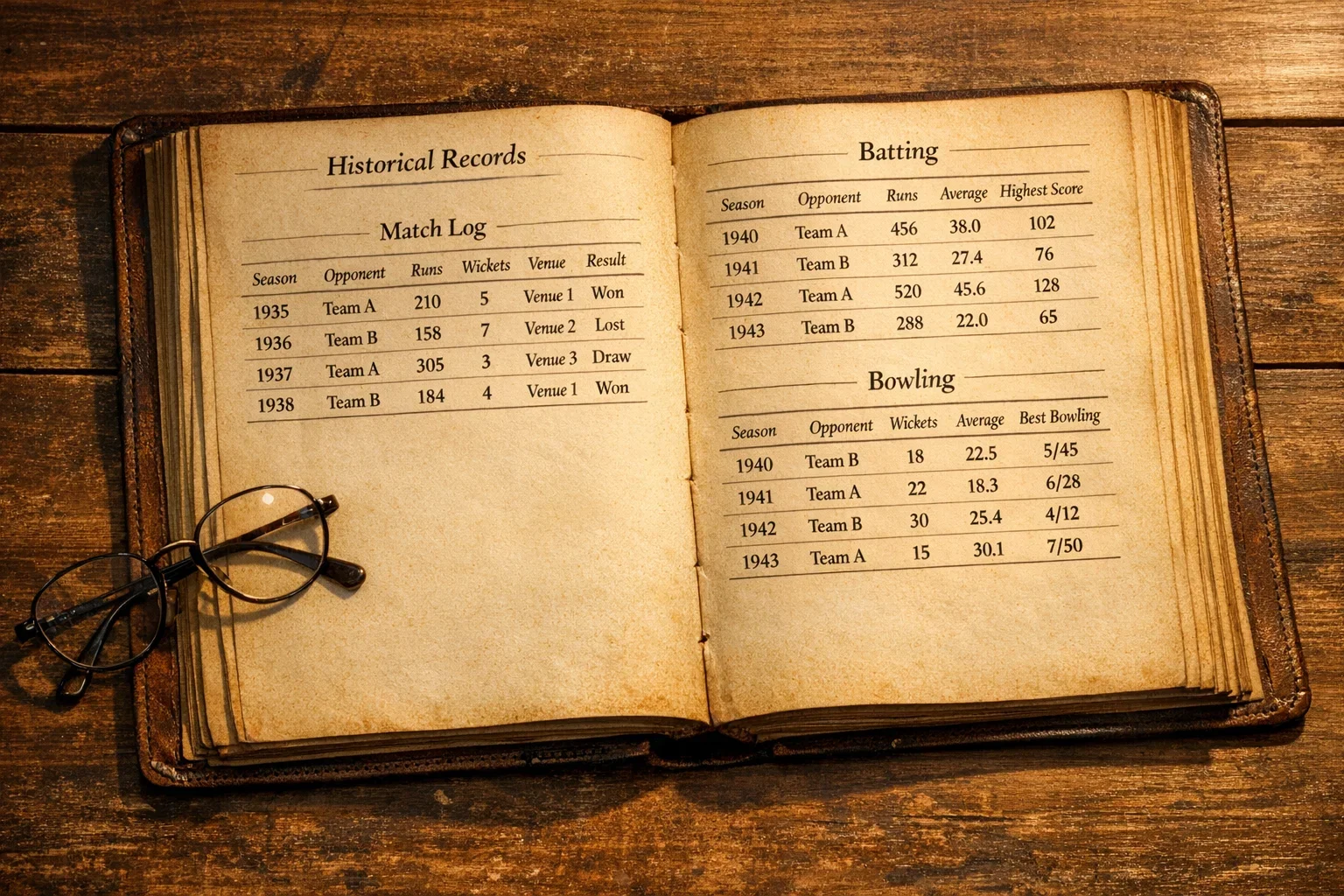
Maintain records of notable matchup patterns. When you notice a team or player with unusual head-to-head records, document it. Over time, this database becomes a reference that provides quick matchup context for upcoming fixtures. Not every matchup shows patterns, but the ones that do become valuable resources.
Note the quality of evidence supporting patterns. Strong evidence includes large samples, recent results, and consistent patterns across venues and conditions. Weak evidence includes small samples, old results, and context-specific patterns. Rating evidence quality helps you know how much to weight different head-to-head factors.
Update patterns as new results occur. A team that historically dominated an opponent might lose that edge as squads evolve. A player who struggled against a specific bowler might solve their technical issues. Keep head-to-head records current by incorporating recent results and noting when patterns appear to be changing.
