
DLS Method Explained for Cricket Bettors
 Available in US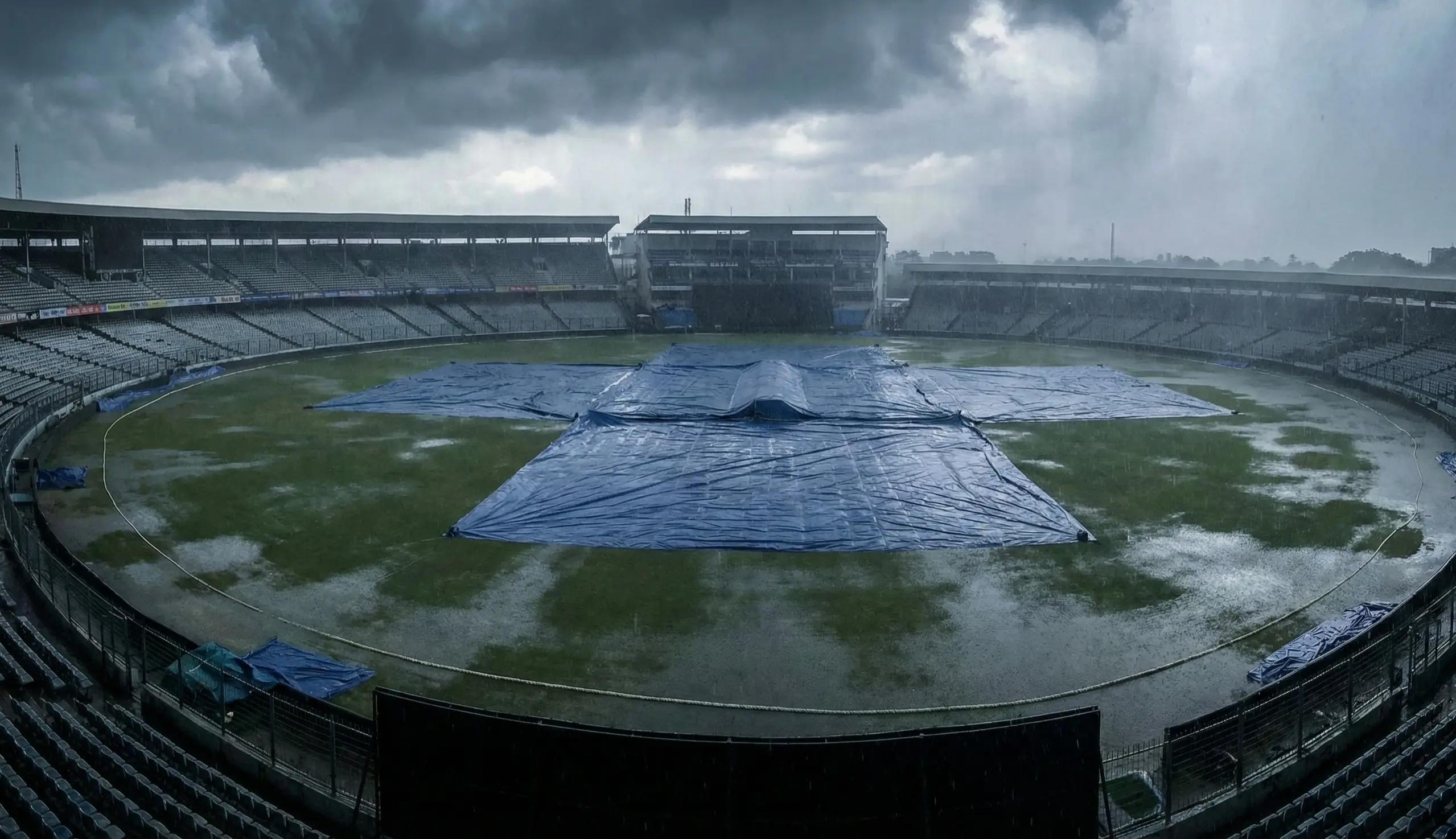
The Duckworth-Lewis-Stern method determines targets in rain-affected limited-overs cricket. When weather interrupts matches, DLS calculates revised targets that attempt to produce fair contests based on resources remaining for each team. For bettors, understanding DLS is essential because rain-affected matches produce outcomes that confuse those unfamiliar with the system—and create opportunities for those who understand it.
What makes DLS valuable for betting is its mathematical nature. While match outcomes often feel random, DLS targets are calculable based on known inputs: overs remaining, wickets lost, and original scoring rates. Bettors who can estimate DLS scenarios before rain arrives—or calculate targets when rain threatens—gain edge over those who simply watch and react.
How DLS Works Conceptually
DLS treats each team as having a fixed pool of resources—combinations of overs and wickets available. Losing wickets or overs depletes resources. DLS calculates what percentage of resources each team actually uses and adjusts targets to compensate for any imbalance.
Resources depend on both overs available and wickets in hand. A team with 50 overs and 10 wickets has 100% resources. As overs reduce or wickets fall, resources decline. The key insight is that a wicket in hand is worth more with many overs remaining than with few overs remaining. Losing your opener in the first over costs more resources than losing your ninth wicket in the final over.
When rain reduces available overs, DLS adjusts targets based on resource percentages. If Team A batted with 100% resources and scored 280, then Team B faces only 40 overs (reduced resources), DLS calculates what score represents equivalently good use of their reduced resources. The target isn't simply prorated by overs—it accounts for the different resource profile of shorter innings.
The DLS tables quantify exact resource percentages for every combination of overs and wickets. These tables are publicly available and allow precise calculation of targets for any rain-affected scenario. Serious bettors should familiarize themselves with DLS tables or use calculators that implement them.
DLS Scenarios That Favor Batting First
Certain rain-affected scenarios systematically favor teams batting first. Recognizing these situations helps identify when DLS might produce advantageous or disadvantageous targets.
Interruptions during the first innings that reduce overs favor the team batting first. When rain shortens the first innings, the batting team has essentially faced a "par adjustment" rather than chasing a target. They can calibrate their innings to the available overs. The chasing team then faces a DLS target set against that calibrated innings with equivalent resources—but must actually execute under target pressure rather than simply batted with awareness of conditions.
When Team A scores heavily before rain arrives and Team B faces a significantly reduced chase, DLS targets can feel harsh. A team scoring 250 from 50 overs translates to a target lower than 250 for a 25-over chase—but not as low as simple halving would suggest. The chasing team must score at an accelerated rate because their resources, while reduced, still represent substantial batting power.
First-innings teams that lose few wickets before rain benefit particularly. DLS heavily weights wickets in hand, so a team that's 120-1 from 30 overs when rain arrives has used fewer resources than one that's 120-4. The subsequent DLS calculations may produce targets that the chasing team finds challenging to match.
DLS Scenarios That Favor Chasing Teams
Other rain scenarios systematically favor the chasing team, creating opportunities when odds don't fully reflect DLS mechanics.
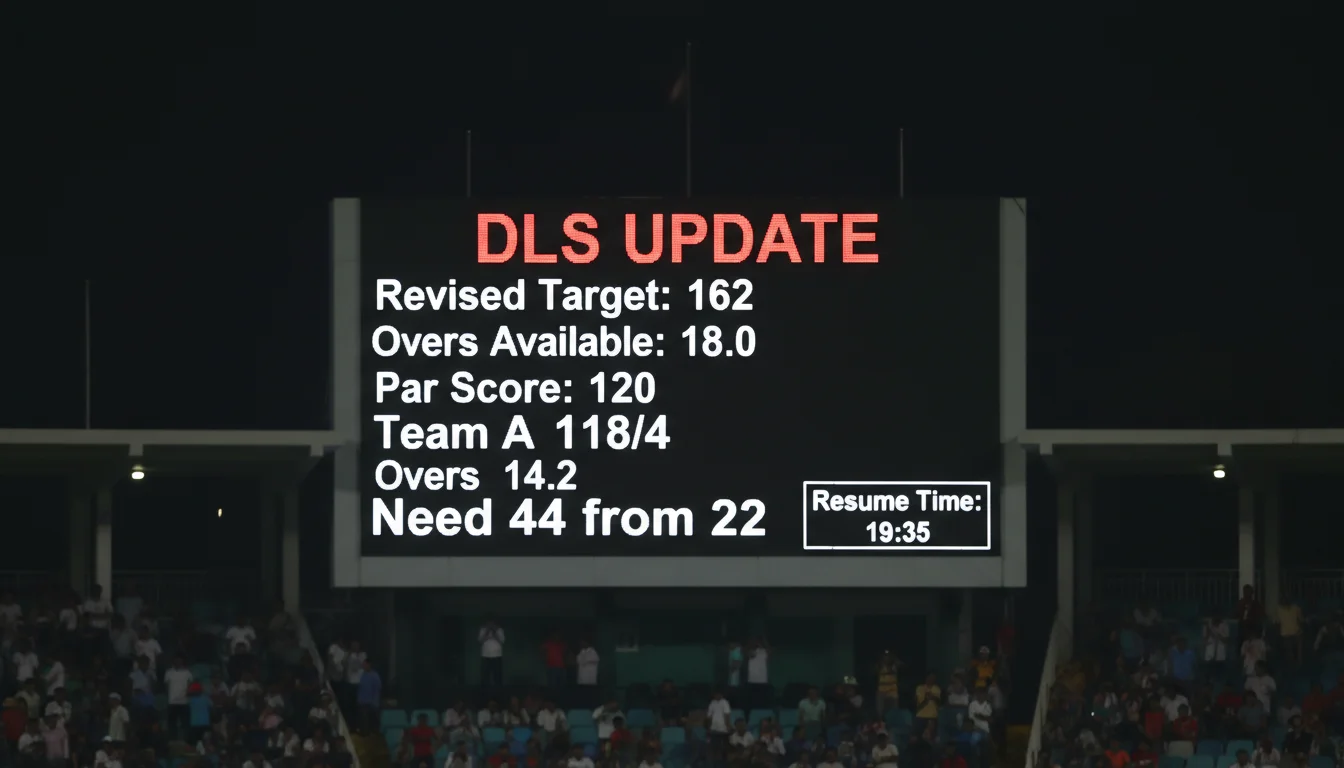
Interruptions during the chase when the chasing team is ahead of DLS par favor that team. If Team B is chasing 280 and they're 150-2 from 25 overs when rain arrives, they might be ahead of the DLS par score required at that point. If rain ends the match, Team B wins without needing to complete the chase. Knowing DLS par scores during chases helps identify when rain might deliver unexpected victories.
Short chases reduce variance and favor competent batting lineups. When rain reduces a 50-over chase to 20 overs, the target is recalculated for available resources—but shorter innings are generally easier to pace. Chasing teams can be more aggressive without worrying about wicket preservation for later overs. This structural factor sometimes isn't fully reflected in odds when rain threatens.
Multiple interruptions during the chase can produce complex scenarios where the chasing team benefits from the cumulative adjustments. Each interruption recalculates based on current match state, sometimes compounding in ways that favor one team.
Betting Implications of DLS
DLS knowledge creates specific betting opportunities and pitfalls that uninformed bettors miss.
Pre-match betting when rain is forecast should incorporate DLS expectations. If you expect a match to be rain-affected, consider how DLS might shape the contest. Teams with strong bowling attacks that can restrict first-innings totals might benefit from DLS scenarios where revised targets become chaseable. Teams that start slowly but accelerate might be disadvantaged by interruptions before they reach their acceleration phase.
Live betting during rain delays requires DLS calculation. When rain stops play with a match in progress, odds will adjust based on DLS scenarios—but not all bettors calculate correctly. If you can quickly determine DLS par scores and likely targets, you can identify when live odds don't accurately reflect DLS probabilities.
Draw and abandonment odds carry value when rain threatens but hasn't arrived. If forecasts show heavy rain approaching, draw/no result odds might be too long because markets are pricing current clear conditions rather than forecast deterioration. Conversely, if rain has fallen but is clearing, abandonment odds might be too short.
Calculating DLS During Matches
Practical DLS calculation during matches helps you identify betting opportunities in real time.
Use DLS calculators or apps for precise figures. Several websites and apps implement DLS tables and calculate targets for any scenario you input. Bookmarking these resources enables quick calculation when rain threatens. With practice, you can estimate approximate DLS figures mentally, but precise calculation requires tools.
Identify key thresholds during chases. DLS par scores at various overs during the chase tell you whether the chasing team is ahead or behind. If they're significantly ahead of par when rain threatens, they're favorites to win by DLS if the match can't resume. If they're behind par, the batting team faces pressure—and abandonment would give them a loss rather than the incomplete-chase void result some might expect.
Track how far behind par the chasing team can fall while still potentially winning. Even teams behind DLS par might complete a successful chase if play resumes and they can accelerate. Understanding the gap between current position and required trajectory helps assess true winning probabilities.
Common DLS Misconceptions
Several misunderstandings about DLS create betting opportunities when uninformed bettors misjudge situations.
DLS targets aren't simple prorating. Many casual bettors assume that if a team scores 300 from 50 overs, the target for 25 overs is simply 150. DLS produces higher targets because the chasing team in a shortened game has proportionally more power—they don't need to preserve wickets as carefully. Bettors who think in prorating terms misjudge DLS target difficulty.
DLS doesn't always produce "fair" outcomes from a cricket perspective. Sometimes DLS targets feel too harsh or too generous based on how the match was flowing. But DLS is mathematically consistent—it applies the same resource calculations regardless of match context. Betting based on whether DLS feels fair rather than whether it's correctly calculated leads to errors.
Rain affecting completed first innings produces different targets than rain affecting the first innings in progress. The timing of interruptions matters significantly. Bettors who assume all rain-affected matches work similarly misunderstand DLS mechanics and misjudge appropriate targets.
Strategic Weather Monitoring
Integrating weather monitoring with DLS knowledge creates systematic advantage in rain-affected match betting.
Monitor forecasts throughout match days. Weather can change rapidly, and forecasts update continuously. Checking radar and forecasts during matches—not just pre-match—reveals when rain might arrive and enables positioning before markets react.
Identify matches where rain is likely but not certain. These matches offer the most betting opportunity because outcomes depend on whether rain arrives and when. If you assess rain as 60% likely but odds price it at 40%, betting on rain-affected outcomes captures value.
Understand venue-specific drainage and resumption patterns. Some grounds resume play quickly after rain; others require extended delays. This affects whether interrupted matches complete or get abandoned—materially different outcomes for various bet types. Venue knowledge helps predict post-rain scenarios.
